Herbs for Tea: 10 Easy Plants to Grow in Pots
Herbs for tea are some of the most rewarding plants you can grow at home. With a few pots on a sunny windowsill, you can snip fresh leaves anytime and brew a cup with far more aroma than a tea bag. Most of them are easy, too: they want sun, a pot with drainage and regular harvests.
In this guide, you’ll meet 10 herbs for tea that grow well in containers, learn which part of each plant goes in the cup, and see how to set up a tea garden, harvest, dry and brew. You’ll also find safety notes and answers to the most common questions, plus tips for keeping your tea herbs going indoors through winter.
One rule before the list: mint and lemon balm spread aggressively and need their own pots. Small-leaved herbs like rosemary and thyme prefer drier soil.
10 herbs for tea at a glance
| Herb | Tea flavor | Part used | Light | Minimum pot |
|---|---|---|---|---|
| Mint | Cool, minty | Leaves | Sun to light shade | 10 in |
| Lemon balm | Soft lemon | Leaves | Sun to part shade | 10 in |
| Lemongrass | Bright lemon | Leaves and stalks | Full sun | 14 in |
| Chamomile | Floral, honey-like | Flowers | Full sun | 8 in |
| Rosemary | Piney, bold | Leaves | Full sun | 10 in |
| Thyme | Herbal, slightly spicy | Leaves | Full sun | 6 in |
| Sage | Earthy, velvety | Leaves | Full sun | 10 in |
| Basil | Sweet, aromatic | Leaves | Full sun | 8 in |
| Lavender | Floral, perfumed | Flowers | Full sun | 12 in |
| Stevia | Very sweet | Leaves | Full sun | 8 in |
1. Mint
Mint is the easiest tea herb of all. It grows fast, bounces back after every harvest and makes a refreshing cup, hot or iced. Peppermint and spearmint are the classic choices. University of Illinois Extension says it is highly suggested that mints be grown in containers because they spread aggressively by underground runners.
Give mint its own pot, at least 10 inches wide, and water when the top of the soil starts to dry. Our guide to growing mint in a pot covers every step.
2. Lemon balm
Lemon balm makes a gentle, lemony tea. It’s in the mint family and spreads too, so it deserves a pot of its own. University of Illinois Extension recommends cutting the stems preferably before flowering and notes that fresh lemon balm is superior to dried.
It handles partial shade better than most tea herbs, which makes it a good pick for an east window. See our full guide to growing lemon balm in a pot.
3. Lemongrass
Lemongrass forms a tall clump of narrow leaves and makes a bright, citrusy tea. It needs full sun and a big, deep pot, 14 inches or more. It’s tropical, so in most of the US it moves indoors before the first frost.
For tea, chop the leaves into small pieces with scissors, because the edges can cut. Learn more in our guide to growing lemongrass in a pot.
4. Chamomile
Chamomile is the one herb on this list where you use the flowers. NC State Extension describes German chamomile as an annual that wants full sun, six or more hours of direct light a day, and soil that isn’t rich, heavy or wet.
NC State also notes that chamomile doesn’t transplant well and suggests starting it in individual containers indoors six to eight weeks before the last spring frost. Sow seeds on the surface of damp mix, without burying them. Pick the flowers when they’re fully open and use them fresh or dried.
5. Rosemary
Rosemary makes a strong, piney tea. It loves sun, gritty soil and a pot with excellent drainage. Overwatering is the most common mistake, especially indoors in winter.
Use just a few needles per cup, since the flavor is intense. Our guide to growing rosemary in a pot explains how to plant it and prune it so it doesn’t turn woody.
6. Thyme
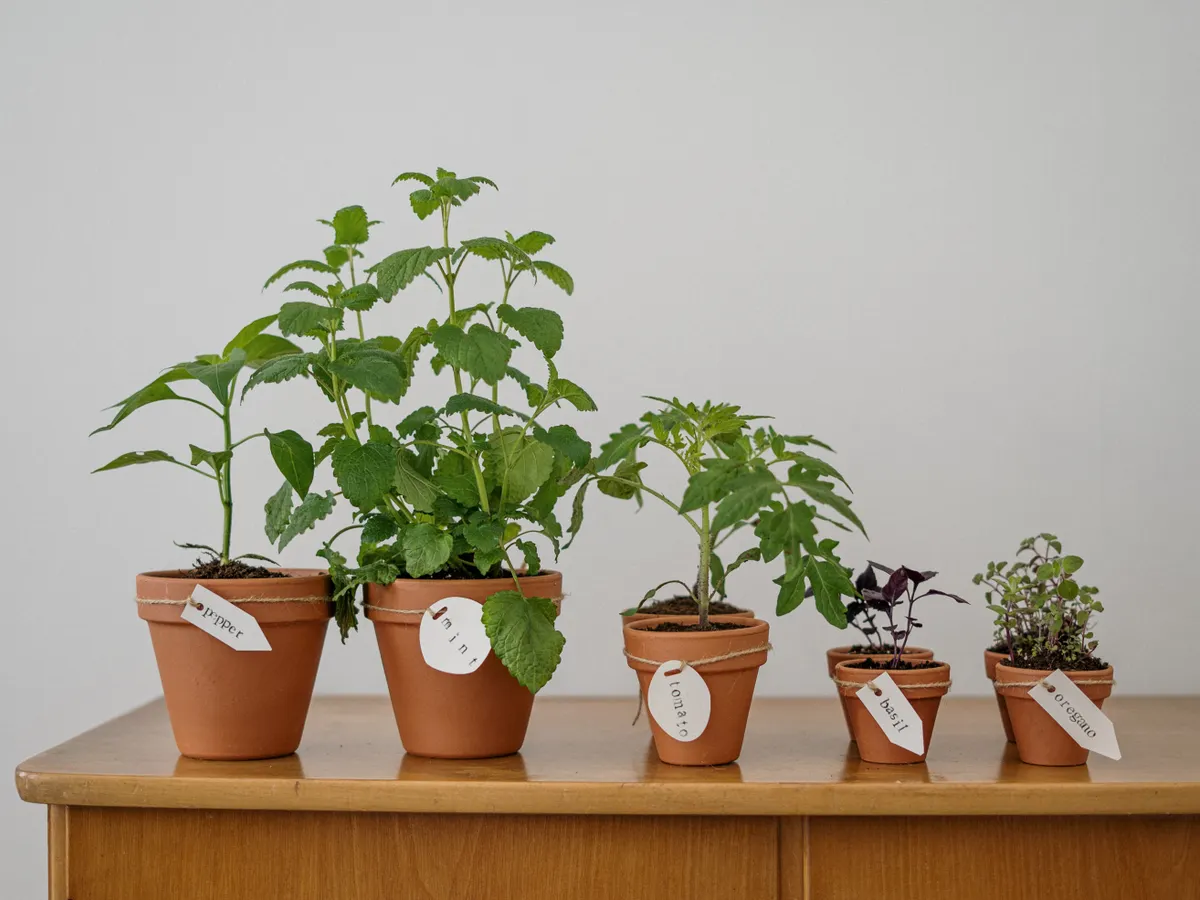
Thyme is small enough for a 6-inch pot and pairs well with rosemary and sage, since all three like sun and drier soil. The tea has an herbal flavor that goes nicely with honey and lemon.
Snip the top sprigs and always leave some green on the plant. See our guide to growing thyme in a pot for care tips.
7. Sage
Sage has soft, velvety leaves and an earthy tea. It wants full sun and infrequent watering. One or two leaves per cup is plenty.
Sage is one of the herbs to use with more caution as a tea, especially during pregnancy. Keep amounts small and read the safety section below. To grow it, see our guide to growing sage in a pot.
8. Basil
Few people think of it, but basil makes a fragrant, slightly sweet tea. It loves heat, sun and regular water. Pinch off flowers as soon as they appear so the plant keeps making leaves.
Basil is the most cold-sensitive herb here, so keep it away from chilly windows in winter. Our guide to growing basil in a pot shows how to plant and prune it.
9. Lavender
Lavender makes a floral, perfumed tea that tastes best blended with other herbs, like lemon balm or chamomile. It needs lots of sun, well-drained soil and little water.
For tea, choose English lavender (Lavandula angustifolia), the type most used in cooking. Use only a pinch of flowers per cup, because too much turns bitter.
10. Stevia
Stevia isn’t really a tea on its own. It’s a natural sweetener to add to the others. One or two fresh leaves sweeten a whole cup. It likes sun, warmth and water when the top of the soil starts to dry.
Pinch the tips often so the plant stays bushy and doesn’t flower early. An 8-inch pot is enough.
How to set up a tea herb garden
Group your herbs by how thirsty they are, so each pot gets the right amount of water:
- Like evenly moist soil: mint, lemon balm and basil. Water when the top of the soil dries.
- Like drier soil: rosemary, thyme, sage and lavender. Let the soil dry deeper between waterings.
- Need room: lemongrass. A big pot of its own.
- Annual: chamomile. Sow again each season.
Keep mint and lemon balm in separate pots, because they crowd out their neighbors. Check which herbs can share a container in our guide to herbs that grow well together.
Use a light potting mix and pots with drainage holes. Many tea herbs come back for years: see our list of perennial herbs. If you’d like to start from seed, our guide to growing herbs from seed walks you through it.
Growing tea herbs indoors in winter
In most of the US, short days and cold windows slow tea herbs down from November to March. A few adjustments keep them going:
- Give them your sunniest window: south-facing is best. If the light is weak, a simple LED grow light for 12 to 14 hours a day makes a big difference.
- Water less: soil stays wet much longer in winter. Check with your finger before every watering.
- Mind the glass: leaves touching a freezing window can get damaged, especially basil and lemongrass.
- Avoid heat vents: hot, dry air blasting on the pots dries the leaves fast.
- Harvest lightly: plants grow slowly in winter, so take less at a time.
For more on keeping herbs alive through the cold months, see our guide to growing herbs indoors in winter.
How to harvest herbs for tea
- Pick in the morning: after any dew dries and before strong sun, when leaves are most fragrant.
- Snip the tips: cut just above a pair of leaves. Two new shoots will grow from there.
- Never strip the plant: leave at least two-thirds of the leaves on it.
- Leaves before flowers: for mint, Illinois Extension suggests harvesting for drying just as the flowers begin to appear.
- Flowers fully open: for chamomile and lavender.
How to dry herbs for tea
Dried herbs keep you in tea when your plants slow down. University of Illinois Extension recommends that stems be bundled and hung in a warm, dark, well-ventilated location, then stored in a sealed container.
Once the leaves crumble easily, strip them from the stems and store them whole in a clean jar, away from light. Whole leaves keep their aroma longer than crushed ones. Other methods, including freezing, are in our guide to drying and freezing herbs.
How to brew tea with fresh herbs
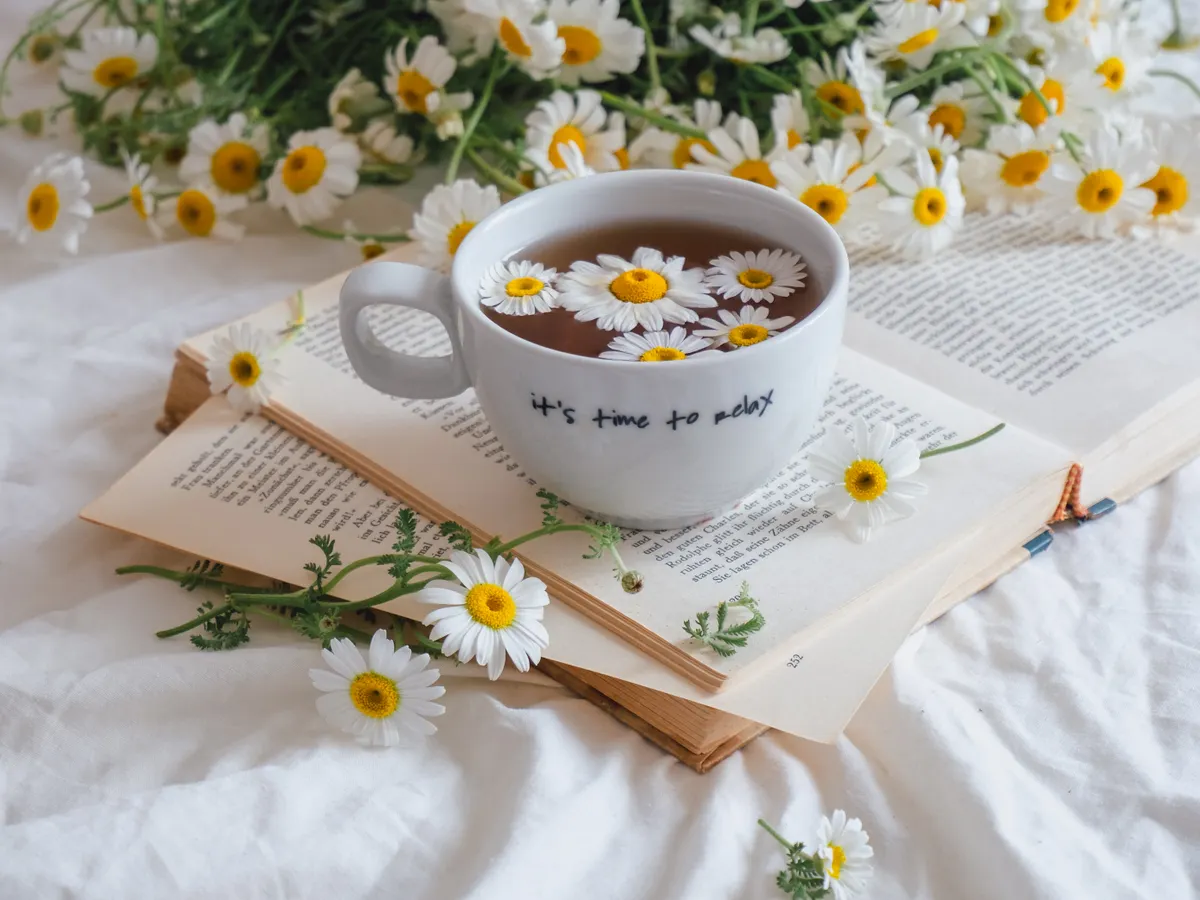
- Rinse the leaves or flowers under running water.
- Gently bruise the leaves with your fingers to release the aroma.
- Use about one tablespoon of fresh leaves, or one teaspoon of dried herbs, per cup.
- Pour hot water, just off the boil, over the herbs.
- Cover and steep for 5 to 10 minutes.
- Strain and sweeten, if you like, with honey or a stevia leaf.
Good blends to start with: mint and lemongrass; lemon balm and chamomile; rosemary with lemon and honey. Lemongrass releases more flavor when the leaves are chopped very fine.
Safety notes for homemade herbal tea
This guide is about growing herbs. Herbal tea in normal food amounts is usually safe, but a few situations call for care:
- Allergies: the National Center for Complementary and Integrative Health (NCCIH) says people allergic to related plants such as ragweed, chrysanthemums, marigolds or daisies are more likely to react to chamomile.
- Medications: the same source mentions possible interactions between chamomile and drugs such as warfarin.
- Heartburn: according to the NCCIH, peppermint can cause heartburn and acid reflux in some people.
- Pregnancy, breastfeeding and young children: many herbs haven’t been well studied in these groups. Ask first.
For any medicinal use, or if you take prescription medications, talk to your doctor or pharmacist first.
Tea herbs and pets
If you have cats or dogs, keep the pots out of reach. The ASPCA lists chamomile as toxic to dogs, cats and horses, with signs such as vomiting, diarrhea and skin irritation. Lemon balm, on the other hand, appears on the ASPCA list as non-toxic.
Common mistakes with tea herbs
- Planting mint with other herbs: it takes over the pot.
- Watering every herb the same way: rosemary and lavender rot with mint-level watering.
- Too little light: herbs grow leggy and lose their aroma.
- Harvesting the whole plant at once: it weakens and takes a long time to recover.
- Storing dried herbs in clear jars in the sun: the aroma fades fast.
- Using too much: rosemary, sage and lavender turn bitter.
To build a complete herb garden for cooking and tea, see our kitchen herb garden guide. And for another useful, easy plant for your windowsill, see our guide to aloe vera plant care.
- Mint, lemon balm, lemongrass, chamomile, rosemary, thyme, sage, basil, lavender and stevia all grow well in pots.
- Most need six or more hours of sun and a pot with drainage.
- Mint and lemon balm go in their own pots because they spread.
- Group herbs by water needs: moist on one side, dry on the other.
- In winter, use your sunniest window or a grow light and water less.
- Harvest tips in the morning and never more than a third of the plant.
- Chamomile is toxic to cats and dogs, according to the ASPCA.
With a few sunny pots and regular harvests, you’ll have fresh tea right on your windowsill all year.
Herbs for tea FAQ
What are the easiest herbs to grow for tea?
Mint, lemon balm and lemongrass are the easiest. They grow fast, regrow after harvesting and do well in containers.
Which tea herbs can share a pot?
Rosemary, thyme, sage and lavender pair well because they like sun and dry soil. Keep mint and lemon balm on their own, because they spread.
Can I make tea with fresh herbs?
Yes. Use about one tablespoon of fresh leaves per cup, steeped covered in hot water for 5 to 10 minutes.
What part of chamomile do you use for tea?
The flowers. Pick them when fully open and use them fresh or dried. The leaves and stems aren’t used in traditional chamomile tea.
How do you dry herbs for tea?
Bundle the stems and hang them in a warm, dark, well-ventilated spot. When the leaves crumble, store them whole in a sealed jar.
Can I grow tea herbs indoors in winter?
Yes. Use your sunniest window or an LED grow light for 12 to 14 hours a day, water less and keep leaves off cold glass.
Is homemade herbal tea safe?
In normal food amounts, it usually is. Pregnancy, breastfeeding, young children, allergies and prescription drugs call for a talk with your doctor first.
Is chamomile toxic to cats and dogs?
Yes. The ASPCA lists chamomile as toxic to dogs, cats and horses. Keep the pot out of reach of pets.