How to Grow Sage in a Pot: Complete Guide
Want to grow sage in a pot and have fresh leaves for pasta, roasts and brown butter all year? Sage is a tough, good-looking herb that needs very little water. In this guide, you’ll learn what it needs, how to start it from a nursery plant or a cutting, and how to water, prune and harvest it.
Let’s go step by step: first, what sage is and what it needs. Then the pot, soil, planting, watering, pruning, harvesting and the most common problems.
What is sage?
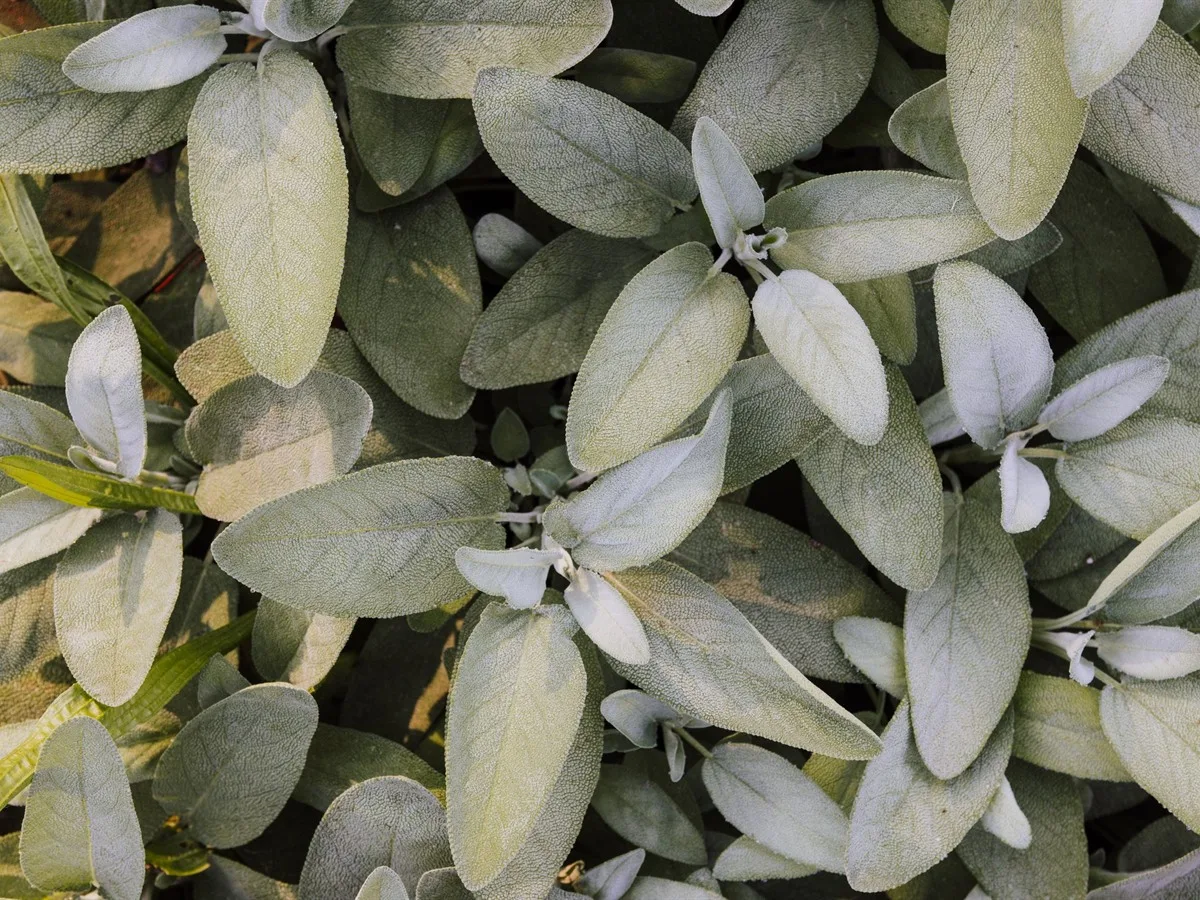
Sage (Salvia officinalis), also called common sage or garden sage, is a small shrub with gray-green, velvety, strongly scented leaves. It belongs to the mint family, along with basil, rosemary and thyme.
The plant comes from the Mediterranean, from dry, sunny hillsides. That explains almost everything about growing it: it likes strong sun, soil that dries fast and little water. NC State Extension describes sage as a plant that tolerates drought and poor soils but is intolerant of wet or poorly drained soils.
It’s one of the classic perennial herbs: the same plant produces for several years. NC State lists it as hardy in USDA zones 4 through 8. In a pot, it usually stays 1 to 2 feet tall, a great size for patios, balconies and sunny windowsills.
In the kitchen, sage is the flavor of Thanksgiving stuffing. It also pairs with butter, pasta, gnocchi, chicken, pork, sausage, squash and white beans. The flavor is strong, so a few leaves go a long way.
What does sage need to grow well?
Sage needs three things: lots of sun, soil that drains well and spaced-out watering. Get those three right and the rest is easy. Here’s the summary:
| What it needs | How much | Practical tip |
|---|---|---|
| Sun | 6+ hours of direct sun | A sunny patio, balcony or south-facing window |
| Water | Very little | Water only when the top inch of soil is dry |
| Pot | 10 to 12 inches wide and deep | With drainage holes; terracotta helps the soil dry |
| Soil | Light and fast-draining | Potting mix with coarse sand or perlite |
| Fertilizer | Very little | A light feeding once a month in spring and summer |
| Air | Good circulation | Don’t crowd the pot between other plants |
Iowa State University Extension confirms the sun rule: sage plants require at least 6 hours of direct sunlight each day. Indoors, that means a south-facing window or a grow light.
If your home is dim, sage isn’t the best choice. It gets weak, stretched and bland. In that case, check out the herbs that grow in low light and save the sage for the sunniest spot you have.
What pot and soil are best for sage?
The right pot prevents sage’s number one problem: root rot from too much moisture. Choose a container 10 to 12 inches wide and deep for one plant. Sage grows like a small shrub and needs room for its roots.
- Drainage holes: non-negotiable. Without them, water sits at the bottom and the roots rot.
- Material: terracotta is the best choice, because it’s porous and helps the soil dry faster. Plastic works too, but you’ll need to water less often.
- Saucer: empty it after each watering. Sage hates wet feet.
For the soil, think light. Mix two parts all-purpose potting mix with one part coarse sand or perlite. Add a handful of compost or worm castings, just to give it a start. Don’t overdo the fertilizer: sage grows well in lean soil.
Never use garden soil in a pot. It packs down, holds too much water and suffocates the roots. A bagged cactus or succulent mix blended half and half with regular potting mix also works well.
How to grow sage in a pot: 3 ways to start
You can start sage from a nursery plant, a cutting or seed. The first two are the fastest. University of Illinois Extension explains that cuttings are preferred, because seeds may take much longer to produce harvestable plants.
1. From a nursery plant
This is the easiest way for beginners. Garden centers, farmers markets and even grocery stores sell small sage plants in spring.
- Pick a sturdy plant with gray-green leaves and no white or dark spots.
- Fill the pot with your soil mix, leaving about an inch free at the rim.
- Dig a hole the size of the root ball and plant it at the same depth it was in the nursery pot.
- Firm the soil gently around it and water until it runs out of the drainage holes.
- Keep it in light shade for two or three days, then move it into full sun.
2. From a cutting
If a friend or neighbor has a sage plant, ask for a stem. University of Wisconsin Extension explains that softwood cuttings taken in summer root in moist, well-drained potting mix, generally without rooting hormone.
- Cut a young, green stem 3 to 4 inches long, with no flowers.
- Strip the lower leaves, leaving just two or three pairs at the tip.
- Bury the bare part in a small pot of light, moist potting mix blended with sand or perlite.
- Keep it somewhere bright, out of direct sun, with the soil lightly moist, never soggy.
- Wait a few weeks. When new leaves appear, the cutting has rooted and can move to its permanent pot.
3. From seed
It’s the slowest route, but it works. Wisconsin Extension suggests starting seeds indoors 6 to 8 weeks before your last frost date. Sow two or three seeds per cell, cover lightly and keep moist until they sprout. Thin to the strongest seedling.
The same source says sage takes about 75 days from planting to first harvest. With seed, expect to be patient the first year.
How often should you water sage in a pot?
Water sparingly. That’s the secret. Sage handles too little water far better than too much. Penn State Extension lists sage among the herbs that should dry out slightly between waterings.
- Finger test: push a finger into the soil up to the second knuckle. If it’s dry, water. If it’s damp, wait another day or two.
- Water deeply, then wait: soak until water runs out the bottom, and don’t water again until the soil dries.
- Water the soil, not the leaves: the fuzzy leaves hold moisture, and that invites fungal disease.
- In winter: the plant grows less and drinks less. Space out watering even more.
Limp, yellowing leaves and a dark stem base are signs of soil that’s too wet. If that happens, see how to rescue the plant in our guide to overwatered herbs.
How to fertilize sage
With a light hand. Sage comes from poor soils and doesn’t need much feeding. A tablespoon of worm castings on the soil surface once a month in spring and summer is enough. You can also use a liquid fertilizer at half strength. In fall and winter, stop.
Too much fertilizer makes the plant grow fast, with big, soft leaves and less flavor. Penn State Extension warns that fertilizing herbs too often may negatively affect their aroma and taste. To make your own, see our guide to homemade fertilizer for herbs.
How to prune sage so it stays bushy
Without pruning, sage gets leggy, with bare stems at the bottom and leaves only at the tips. Light pruning makes the plant branch out and stay rounded.
- When to prune: in early spring, just as new growth appears. During the growing season, pinch the tips now and then.
- How much to cut: up to a third of each stem, always just above a pair of leaves.
- Where not to cut: into old, brown, woody growth. NC State Extension warns that mature woody stems seldom sprout new growth.
- Flowers: sage produces lovely lavender-blue flower spikes that attract bees. If you want more leaves, snip the flower stalks as soon as they show up.
The logic is similar for other woody herbs. If you also grow rosemary in a pot or thyme in a pot, the care is almost the same.
How to harvest sage without weakening the plant
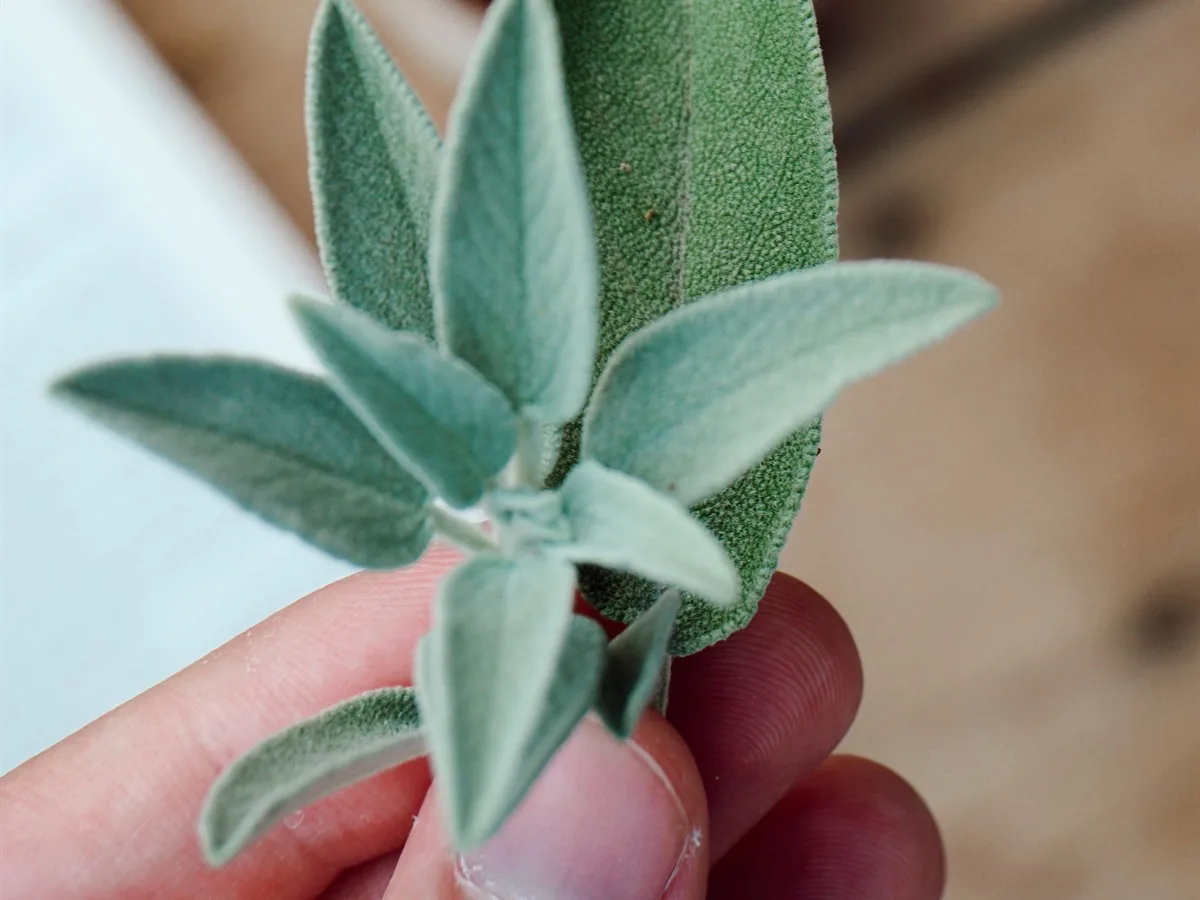
You can pick individual leaves whenever you need them. Take the larger leaves or snip the tip of a stem, just above a pair of leaves. The plant will send out two new shoots from that point.
- In the first year: harvest lightly. The plant is still building roots and branches.
- Limit per harvest: Wisconsin Extension advises to never cut back more than half the plant at once.
- Best timing: just before the plant blooms, when the flavor is strongest. Harvest in the morning, after the dew has dried.
- Big harvests: for drying, cut stems 6 to 8 inches long.
How to store sage
Fresh leaves keep for several days in the refrigerator, dry, in a container or bag. To dry sage, Iowa State Extension recommends you tie stems into small bundles and hang them in a warm, dark, well-ventilated place.
Once the leaves are dry and brittle, strip them from the stems and store them in an airtight jar, away from heat and light. Dried sage is more concentrated than fresh, so use less. See the full method in how to dry and freeze herbs.
How to care for sage through the year
Spring and summer
This is the growing season. Prune lightly in early spring, feed once a month and harvest often. In very hot climates, give the pot some shade from the harshest afternoon sun, which can scorch the leaves and dry the soil too fast.
Sage struggles in places that are hot and humid at the same time. If that’s your summer, focus on drainage, keep the pot where air moves freely and avoid wetting the leaves.
Fall and winter
The plant slows down. Water less, stop fertilizing and skip hard pruning. Sage planted in the ground is hardy, but pots are different. Iowa State Extension notes that plants will not overwinter in containers without extra protection in cold climates.
Where winters freeze hard, move the pot to an unheated garage, a sheltered porch or a bright windowsill indoors. Keep the soil on the dry side: cold, wet soil is what usually kills sage. Find more tips in how to grow herbs in winter.
When to replace the plant
Sage doesn’t last forever. Over the years, it gets woody, opens up in the middle and makes fewer leaves. Iowa State Extension recommends replacing plants every few years to maintain foliage quality. In practice, that’s about every three or four years.
The cheapest way is to take cuttings from your own plant before it declines. That way, you always have a young plant ready to take over.
What are the most common problems with potted sage?
Almost every sage problem comes from too much water, too little sun or stagnant air. This table helps you find the cause:
| Sign | Likely cause | What to do |
|---|---|---|
| Yellow, limp leaves; dark stem base | Overwatering, roots starting to rot | Stop watering, check the drainage holes and repot if the soil is soggy |
| White powder on the leaves | Powdery mildew, a fungus of still, humid air | Remove affected leaves, space the pots out and keep the foliage dry |
| Long stems with few leaves | Not enough sun or pruning | Move to more sun and pinch the tips |
| Tiny pale dots and fine webbing | Spider mites | Rinse the leaves with a strong spray of water and repeat in a few days |
| Dry, curled leaves | Too long without water | Water deeply and go back to the finger test |
| Open, woody center | Old plant | Take cuttings and start a new one |
Iowa State Extension sums up the biggest risk: root rot from wet soil or poor drainage is the most common issue and can quickly kill plants. To identify insects, see our guide to pests on herb plants. For leaves losing their color, see why herb leaves turn yellow.
Can sage be planted with other herbs?
Yes, as long as the neighbors like the same conditions: lots of sun and little water. The best companions are rosemary, thyme and oregano, all Mediterranean natives.
Avoid pairing sage with herbs that want constantly moist soil, such as mint, parsley, chives and basil. One of them will suffer. If you plant together, use a wide planter with at least 8 inches between plants. See the full chart in herbs that grow together.
How to use sage in the kitchen
Sage has a bold, slightly bitter, earthy flavor. It’s better cooked or fried than raw. A few simple ideas:
- Brown butter and sage: melt butter with a few leaves until they turn crisp. It’s the classic sauce for gnocchi, ravioli and roasted squash.
- Meats: great with chicken, pork, turkey and sausage. Tuck whole leaves into the roasting pan.
- White beans and soups: two or three leaves in the pot perfume the whole dish.
- Fried leaves: flashed in hot olive oil, they become a crunchy garnish.
As a seasoning, in small amounts, sage is part of everyday cooking. For frequent teas or medicinal use, especially during pregnancy and breastfeeding, talk to a healthcare professional first.
Common mistakes when growing sage in a pot
- Watering every day: the mistake that kills the most sage. Let the soil dry.
- A pot with no holes: standing water rots the roots within days.
- Heavy soil: garden soil turns into a wet brick. Use potting mix with sand or perlite.
- Not enough sun: the plant stretches, weakens and loses its scent. See the signs in leggy herbs.
- Pruning into old wood: brown stems rarely resprout.
- Overharvesting in the first year: let the plant fill out first.
- Overfertilizing: you get big leaves and weak flavor.
- Sage is a Mediterranean perennial herb that loves sun and dry soil.
- Use a 10- to 12-inch pot with drainage holes, ideally terracotta.
- It needs 6 or more hours of direct sun a day.
- Water only when the top inch of soil is dry.
- Nursery plants and cuttings are faster than seed.
- Prune lightly in spring and never cut into woody growth.
- Don’t harvest more than half the plant at once.
- Protect the pot in freezing winters and replace the plant every three or four years.
With sage in a pot, your herb garden gains a handsome plant that asks for almost nothing. To put the whole set together, see our guide to the kitchen herb garden.
Frequently asked questions about growing sage in a pot
Does sage need full sun?
Yes. Sage needs at least 6 hours of direct sun a day. In shade, it gets leggy, weak and less aromatic.
How often should I water potted sage?
Only when the top inch of soil is dry. In warm weather, that’s usually once or twice a week. In winter, much less.
What size pot does sage need?
A pot 10 to 12 inches wide and deep for one plant, always with drainage holes. Terracotta helps the soil dry out.
Can you grow sage indoors?
Yes, but only in a very sunny south-facing window or under a grow light. In low light, it won’t do well.
How long does sage take to grow?
About 75 days from planting to first harvest. A nursery plant or cutting is faster than seed.
How long does a sage plant live?
Several years. After three or four years, it gets woody and produces less. That’s the time to start a new plant from a cutting.
Why are my sage leaves turning yellow?
It’s almost always overwatering or poor drainage. Let the soil dry out and make sure the drainage holes aren’t blocked.
Can I plant sage and rosemary together?
Yes. Both like strong sun and little water. Use a wide planter and leave at least 8 inches between the plants.