Lemon Balm: How to Grow It in a Pot and Keep It Bushy
Lemon balm is one of the easiest herbs to grow in a pot. It grows fast, forgives a missed watering and gives you lemon-scented leaves for tea and cooking for most of the year. Its only bad habit is spreading, which is exactly why a container is the best place for it.
In this guide, you will learn how to pick the pot and soil, start lemon balm from a plant, cuttings or seed, water and feed it, harvest without weakening it, keep it going indoors in winter and fix the most common problems.
Let’s take it step by step: first, what lemon balm is. Then planting, care, harvesting and troubleshooting.
What is lemon balm?
Lemon balm (Melissa officinalis) is a member of the mint family, like basil and oregano. North Carolina State University describes it as a bushy, lemon-scented herbaceous perennial that usually grows 18 to 24 inches tall.
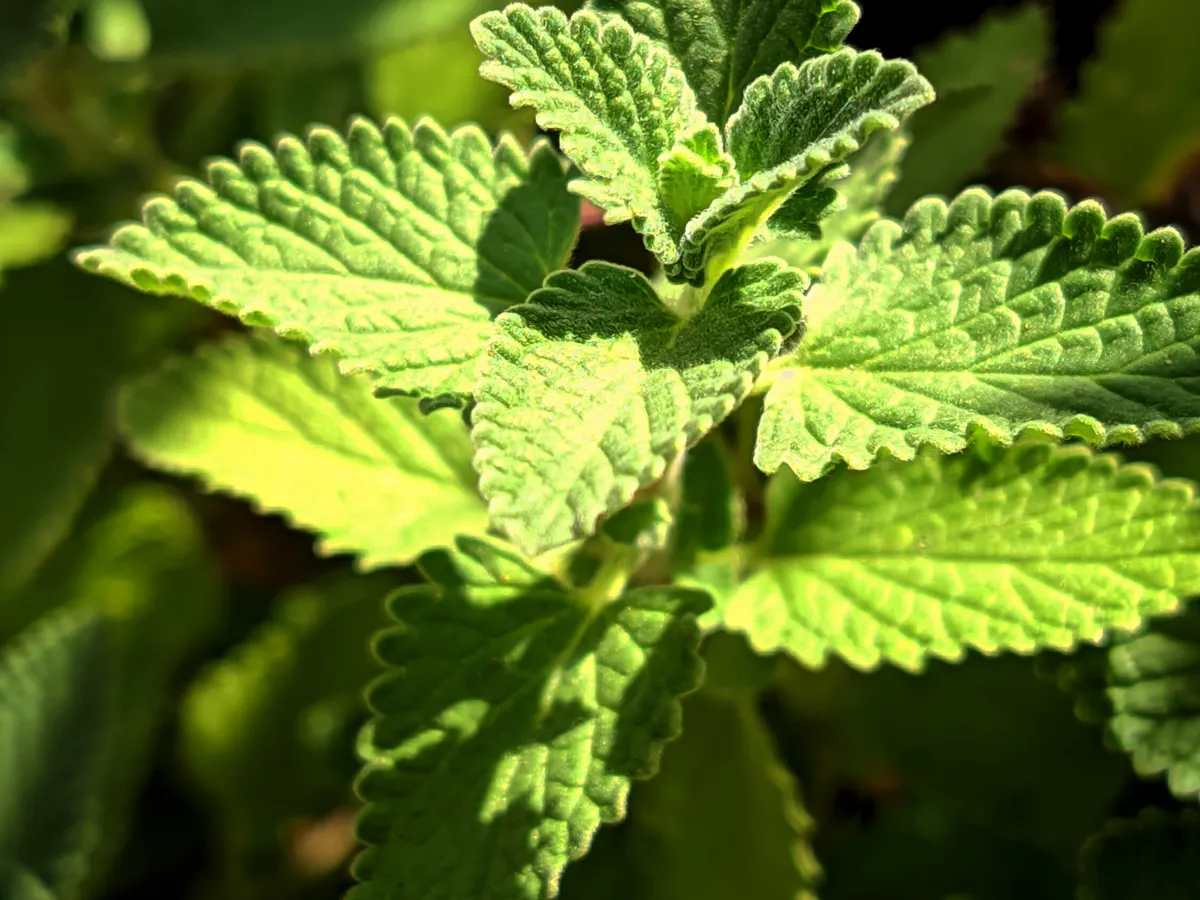
The leaves are soft, slightly wrinkled and look a lot like mint leaves. The difference is in the smell: rub a leaf, and you get a clear lemon scent. Small white flowers appear in summer and attract bees.
Lemon balm vs lemongrass
The names are similar, but the plants are not. Lemongrass is a tall grass with long, thin blades, while lemon balm is a low, leafy herb. The table shows the main differences:
| Feature | Lemon balm | Lemongrass |
|---|---|---|
| Plant type | Leafy herb, mint family | Tall clumping grass |
| Height | 18 to 24 inches | Much taller, in a dense clump |
| Part used | Leaves | Stalks and leaves |
| Pot size | 10 to 12 inches | Large and deep |
If lemongrass is what you are after, see our guide to growing lemongrass in a pot.
What lemon balm needs in a pot
Lemon balm is easygoing, but a few basics make a big difference:
- Light: the University of Illinois says it grows in full sun to partial shade, in soil that is moist but well drained.
- Soil: a light potting mix. Standing water at the bottom of the pot rots the roots.
- Water: water when the top of the soil dries out. NC State notes it becomes fairly drought-tolerant once established.
- Space: it grows fast. A pot that is too small dries out daily in summer.
- Air: good airflow helps prevent powdery mildew on the leaves.
Best pot and soil for lemon balm
Pick a pot at least 10 to 12 inches wide and deep for one plant. A window box 16 inches or longer can hold one or two plants. Whatever you choose, it must have a drainage hole.
Use a quality potting mix, not garden soil. For better drainage, mix two parts potting mix with one part perlite and add a handful of compost or worm castings. Terra cotta pots dry faster, which helps if you tend to overwater.
Keep lemon balm in its own pot instead of mixing it with smaller herbs. It grows quickly and will crowd out its neighbors. See which herbs share a pot well in our guide to herbs that grow together.
How to plant lemon balm: 3 ways
The University of Illinois notes that lemon balm can be propagated by seeds, division or stem cuttings. Here is how to do each one.
1. From a nursery plant (easiest)
Choose a full plant with bright green leaves and no pests under the leaves. Set it in the new pot at the same depth it was growing, firm the soil around it and water until water drains from the hole.
Give it a few days in bright shade to settle in, then move it to its permanent sunny spot.
2. From cuttings (free and fast)
- Cut a healthy stem 4 to 6 inches long, just below a pair of leaves.
- Remove the lower leaves, keeping only the top few.
- Place the stem in a glass of water or push about 2 inches into moist potting mix.
- Keep it in bright light, out of harsh sun, and keep the soil moist.
- When roots or new shoots appear, usually in two to four weeks, move it to its final pot.
For photos and more tips, see our guide to propagating herbs from cuttings.
3. From seed or division
Lemon balm seeds are tiny. Sprinkle them on moist mix, cover very lightly and keep the surface damp until they sprout. Starting seeds indoors in late winter gives you plants ready for spring. See more in our guide to growing herbs from seed.
Division is even simpler. Take a mature plant out of its pot, split the root ball into two or three pieces with roots and plant each piece in its own pot.
How to water lemon balm
Water when the top inch of soil is dry. Push a finger into the soil: if it feels dry, water slowly until it drains from the bottom, then empty the saucer.
In summer, that may mean every day or two, especially in small pots. In winter, the plant grows slowly and needs much less water.
Wilting with dry soil means it is thirsty. Yellow leaves with soggy soil mean too much water. Our guide to overwatered herbs explains the warning signs.
How to fertilize lemon balm
Lemon balm is a light feeder. A tablespoon of compost or worm castings per pot every month or two during the growing season is plenty.
Too much fertilizer gives you big leaves with less scent and flavor. For simple options made from kitchen scraps, see our homemade fertilizer for herbs guide.
How to harvest and prune lemon balm
With lemon balm, harvesting and pruning are the same thing: the more you cut, the bushier the plant gets.
- Cut stem tips: snip just above a pair of leaves. Two new shoots will grow from that spot.
- Never strip it bare: always leave at least two-thirds of the leaves on the plant.
- Remove flowers: the University of Illinois recommends that you prune flowering stalks before they set seed to keep the plant from spreading.
- Thin in midsummer: the same source suggests cutting out some stems in midsummer to open up the plant for better airflow.
- Cut back hard if leggy: if it gets tall and sparse, cut the whole plant back by half. It regrows quickly.
To keep a supply for winter, see our guide to drying and freezing herbs.
Does lemon balm spread?
Yes, a lot. NC State warns that lemon balm self-seeds and spreads aggressively and suggests growing it in a container on a patio or deck so it does not escape into the landscape.
The University of Illinois adds that, unlike mint, lemon balm spreads mostly by dropping lots of seed. That is why removing the flower stalks matters so much. A compact, sterile variety called ‘Compacta’ also exists and does not set viable seed.
Growing lemon balm indoors in winter
Lemon balm is a perennial. Outdoors, it often dies back in winter and regrows in spring. In a pot, you can bring it inside to keep harvesting a little longer.
- Light: place it in your sunniest window. If the stems get long and pale, add a grow light.
- Water: water less. In a cool room, the soil can take a week or more to dry.
- Dry air: keep it away from heating vents, which dry out the leaves.
- Pests: check under the leaves before bringing it in, so you do not carry aphids or mites indoors.
- Patience: growth slows down in winter. Harvest lightly until spring.
For more ideas, see our guide to growing herbs in winter.
Common lemon balm problems
| Problem | Likely cause | What to do |
|---|---|---|
| Yellow leaves and wet soil | Too much water or no drainage hole | Water only when the top is dry and check drainage |
| Wilting every afternoon | Pot too small or strong afternoon sun | Move to a bigger pot and give afternoon shade |
| Long stems with few leaves | Low light or no pruning | Move to a brighter spot and cut the tips |
| Tiny bugs or white specks under leaves | Aphids, mealybugs or spider mites | Rinse the leaves and treat early |
| White powder on leaves | Powdery mildew from still, humid air | Thin the plant and improve airflow |
| Weak lemon scent | Too much fertilizer or too little light | Feed less and give more sun |
If bugs show up, see how to handle them without harsh chemicals in our guide to herb plant pests.
Is lemon balm safe for cats and dogs?
The ASPCA lists lemon balm as non-toxic to dogs, cats and horses. That makes it a good herb for homes with pets.
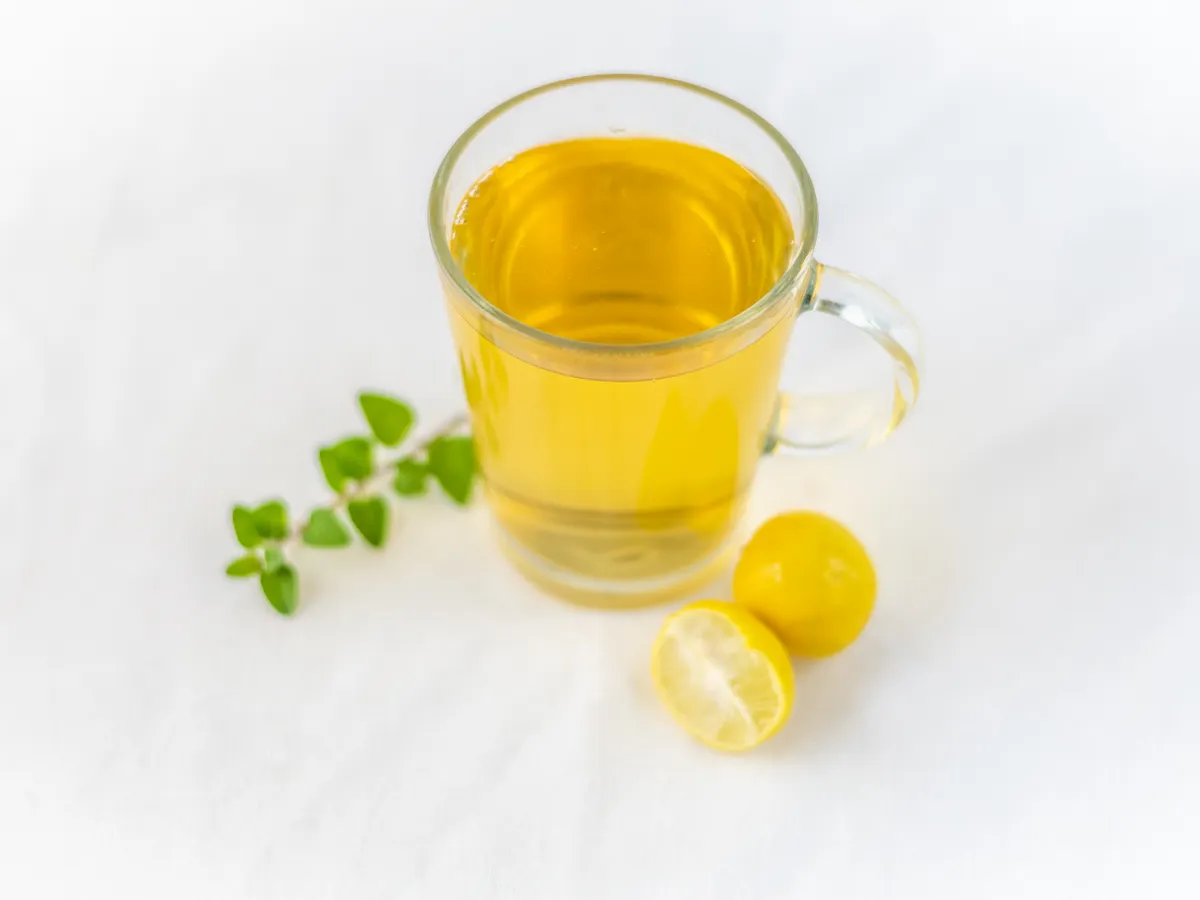
A note on tea: this guide is about growing the plant. If you want to use lemon balm for health reasons, especially during pregnancy or breastfeeding, for children or together with medications, talk to a doctor or pharmacist first.
Common mistakes with lemon balm
- Pot with no drainage hole: the roots rot within weeks.
- Watering on a schedule: check the soil with your finger first.
- Never harvesting: the plant gets tall, sparse and woody.
- Letting it go to seed: seedlings will pop up in every pot nearby.
- Sharing a pot with small herbs: lemon balm grows fast and crowds them out.
- Too much fertilizer: big leaves, little flavor.
To build a full herb garden, see our kitchen herb garden guide. And if you like plants that last for years, check our list of perennial herbs.
- Lemon balm is a lemon-scented perennial herb in the mint family.
- Use a pot at least 10 to 12 inches wide with a drainage hole and a light mix.
- Give it full sun to partial shade and water when the top inch is dry.
- Cuttings 4 to 6 inches long are the easiest way to make new plants.
- Harvest stem tips often and remove flower stalks before they set seed.
- Indoors in winter, give it your sunniest window and water less.
- The ASPCA lists lemon balm as non-toxic to cats and dogs.
With a good pot, enough light and regular harvests, your lemon balm will stay full, fragrant and ready for fresh tea whenever you want it.
Lemon balm FAQ
How do you grow lemon balm in a pot?
Use a pot at least 10 to 12 inches wide with a drainage hole and a light potting mix. Plant a nursery plant or a rooted cutting, give it sun and water when the top inch is dry.
Does lemon balm need full sun?
It grows in full sun to partial shade. In hot summers, morning sun and afternoon shade keep the leaves from scorching.
How often should I water lemon balm?
Water when the top inch of soil is dry. In summer, that may be every day or two; in winter, much less. Never let it sit in water.
Is lemon balm invasive?
It spreads aggressively, mainly by seed. Growing it in a pot and removing the flower stalks before they set seed keeps it under control.
How do you propagate lemon balm?
By seed, division or stem cuttings. A 4 to 6 inch cutting with the lower leaves removed usually roots in two to four weeks.
Why is my lemon balm turning yellow?
Most often it is overwatering or a pot without drainage. It can also be hunger in a plant that has been in the same soil for a long time.
Does lemon balm come back every year?
Yes. It is a perennial that may die back in winter and regrow in spring. In a pot indoors, it keeps growing slowly through winter.
Is lemon balm toxic to cats and dogs?
No. The ASPCA lists lemon balm as non-toxic to dogs, cats and horses.