How to Grow Lemongrass in a Pot: Complete Guide
Want to grow lemongrass in a pot and have fresh stalks for tea and cooking all year? It’s one of the easiest herbs to grow, and you can even start it from grocery-store stalks. In this guide, you’ll learn what lemongrass needs, three ways to plant it, and how to water, feed and harvest it.
Let’s go step by step: first, what lemongrass is and what it needs. Then the pot, soil, planting, watering, harvesting and the most common problems.
What is lemongrass?
Lemongrass (Cymbopogon citratus) is a member of the grass family, with long, slender leaves and a strong lemon scent. It grows in clumps that come back year after year, which makes it one of the most generous perennial herbs you can grow.
It’s a tender perennial, though. It comes from tropical regions and can’t survive a freezing winter outdoors. In most of the United States, that’s exactly why a pot is the best way to grow it: you can move it inside when the cold arrives.
In the kitchen, the leaves are mostly used for tea. The tender white base of the stalk is the prized part in Thai and Vietnamese cooking, in soups, curries, stir-fries and marinades.
What does lemongrass need to grow well?
Lemongrass is a warm-weather plant. It loves heat, humidity, strong sun and steady moisture. UF/IFAS Extension sums it up: it’s an easy herb that requires warm, humid conditions, full sunlight and plenty of moisture.
| What it needs | How much | Practical tip |
|---|---|---|
| Sun | 6+ hours of direct sun | A sunny patio, deck or south-facing window |
| Water | Lightly moist soil | Water when the top inch of soil feels dry |
| Pot | 12 inches wide or more | Deep, with drainage holes; the roots are vigorous |
| Soil | Rich and well-draining | Potting mix with compost or worm castings |
| Temperature | Warm; no frost | Bring it indoors before the first frost |
| Fertilizer | Regular in spring and summer | Liquid fertilizer every two weeks |
If your home gets little sun, lemongrass will grow, but slowly and with fewer stalks. In that case, check out the herbs that grow in low light for your darker windows and save the lemongrass for the patio.
What pot and soil should you use for lemongrass?
The pot is the most important choice. Lemongrass forms a large clump with strong roots that fill a small pot within months. Start with a container at least 12 inches wide and deep. If you have the space, 16 to 20 inches is even better.
- Drainage holes: a must. Standing water rots the roots.
- Material: plastic holds moisture longer, which helps in hot weather. Terracotta looks great but dries out faster and needs more frequent watering.
- Weight: the clump can grow over three feet tall. A heavy or wide pot keeps it from tipping over in the wind.
For soil, UF/IFAS explains that lemongrass prefers well-drained, moist, rich soil with high organic content. In practice, mix two parts quality potting mix with one part compost or worm castings. If the mix feels heavy, add a little perlite or coarse sand.
If you compost at home, your finished compost is perfect here. See how in how to use compost in pots.
How to plant lemongrass in a pot: 3 easy ways
Lemongrass is rarely grown from seed at home. Starting from a piece of an existing plant is much easier and faster. Choose whichever method is most convenient for you.
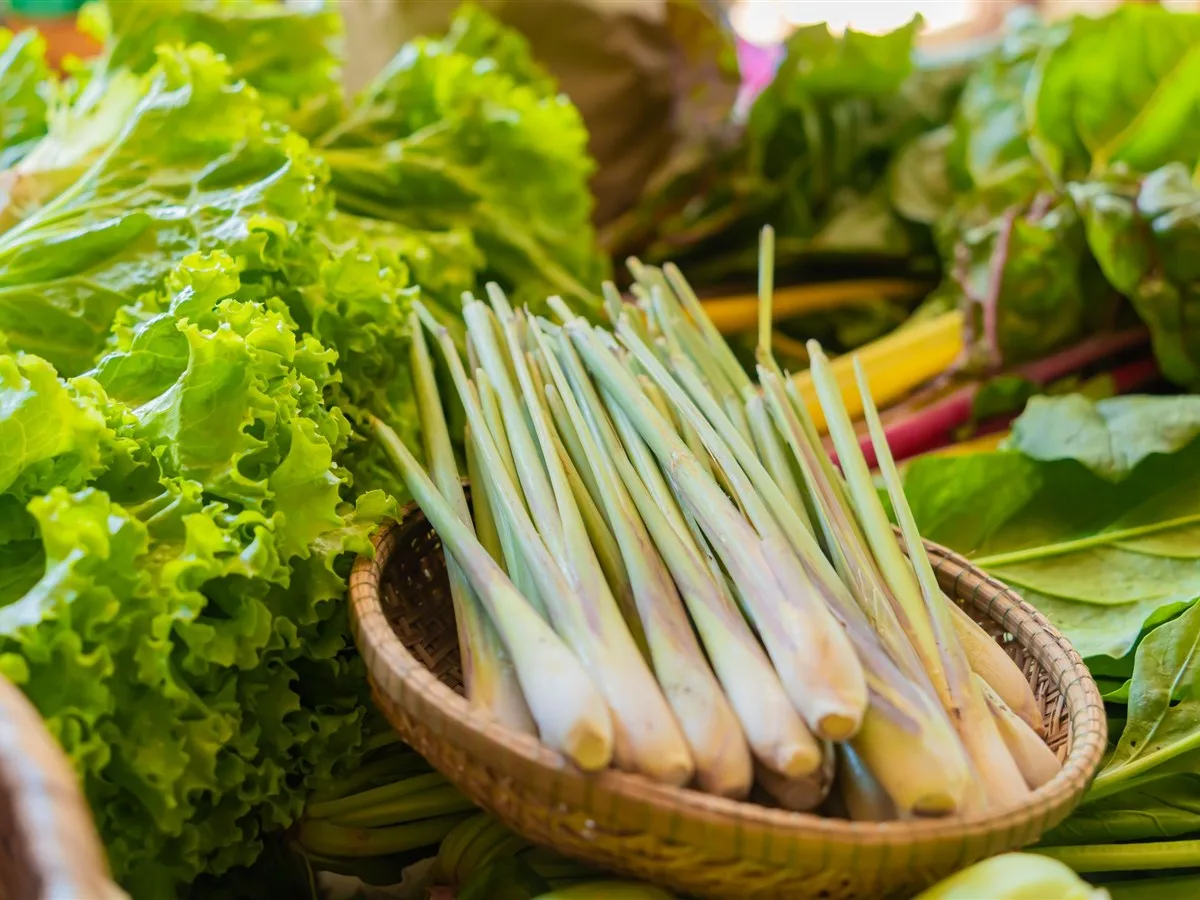
1. From grocery-store stalks
This is the cheapest and most fun way. University of Illinois Extension confirms that stalks bought in the produce section can often be rooted. Asian grocery stores usually have the freshest ones.
- Pick firm, green stalks with the base intact. If a bit of root is still attached, even better.
- Trim the top, leaving about 6 to 8 inches of stalk. This way, the plant puts its energy into roots.
- Place them in a glass of water, with 1 to 2 inches of the base submerged, in a bright spot.
- Change the water every two or three days to keep it clean and odor-free.
- Wait for roots. According to UF/IFAS, the stalks will root in a glass of water in about 2 weeks.
- Plant them in soil once the roots are 1 to 2 inches long. Put three or four stalks together in the same pot so the clump fills in faster.
The same trick works with green onions, leeks, ginger and sweet potatoes. See the full list in vegetables you can regrow from scraps.
2. From a division
If a neighbor, friend or relative grows lemongrass, ask for a piece. It’s the most reliable method because the piece already has roots.
- With a spade or knife, separate a section of the clump with a few stalks and plenty of roots.
- Cut the leaves in half so the plant loses less water while it settles in.
- Plant it in the pot at the same depth it was growing, firm the soil around it and water well.
- Keep it in partial shade for a week, then move it into full sun.
3. From a nursery plant
Garden centers and farmers markets often sell lemongrass starts in spring. Choose one with green leaves, few dry tips and several stalks coming from the base. Plant it in its final pot at the same depth it was in the nursery container and water right away.
How often should you water lemongrass in a pot?
Lemongrass likes moister soil than rosemary or thyme. Still, it can’t stand soggy soil. University of Illinois Extension warns: do not overwater, as that can lead to root rot.
- In hot weather: water when the top inch of soil feels dry. In midsummer, that may be almost every day.
- In cool weather and indoors: the plant grows less and drinks less. Water less often.
- Saucer: empty it after a few minutes. Standing water under the pot invites root rot and fungus gnats.
In very dry climates or heated rooms, misting the leaves helps, because the plant likes humid air. If the leaves turn yellow and the soil is always wet, suspect overwatering.
How to fertilize lemongrass
Lemongrass grows fast and uses a lot of nitrogen, the nutrient that builds green leaves. That’s why it needs more feeding than most herbs.
University of Illinois Extension recommends to fertilize about every two weeks with a general-purpose liquid fertilizer during the growing season. A tablespoon of worm castings sprinkled on the surface every two or three weeks also works well.
In fall and winter, cut back to once a month or stop. With less light and cooler temperatures, the plant can’t use the extra nutrients, and the excess just builds up in the soil.
How to harvest lemongrass without weakening the plant
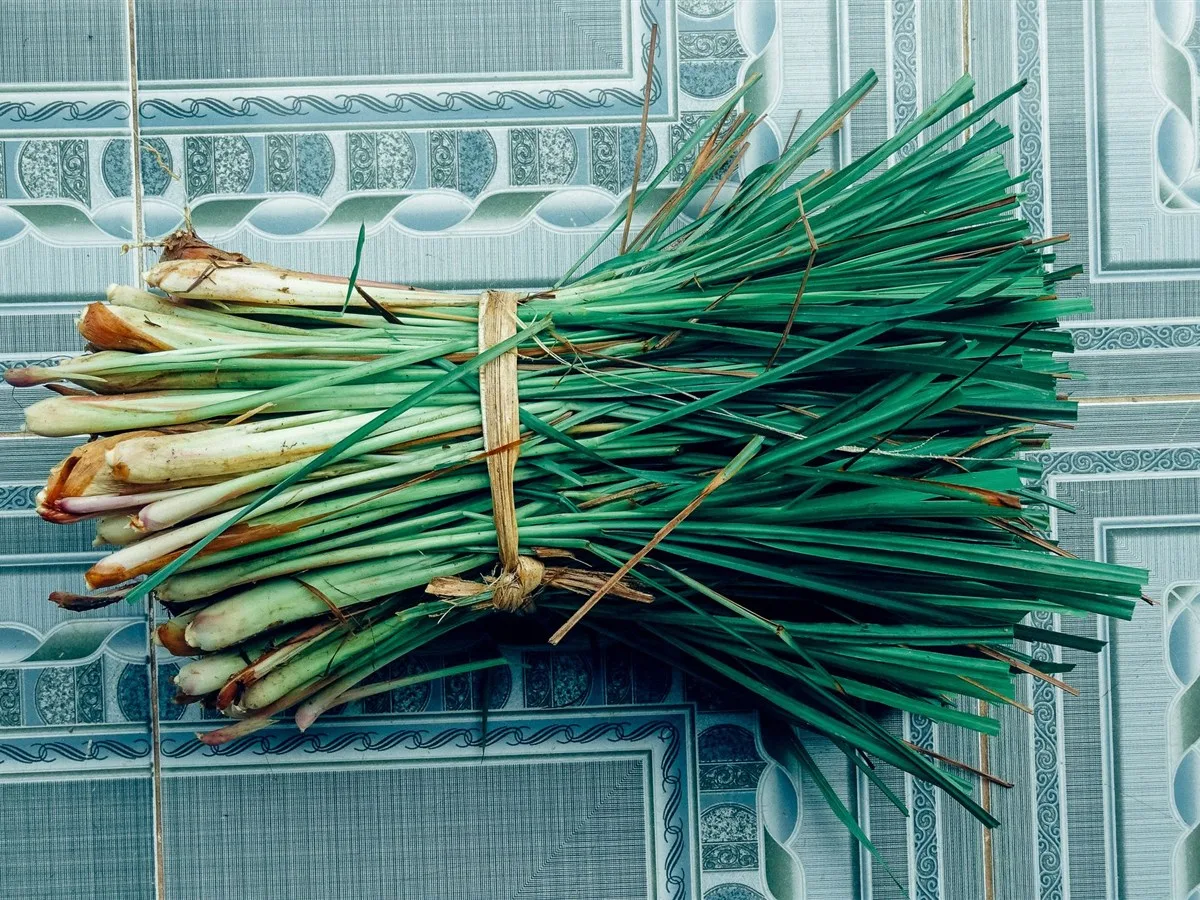
You can use two parts of lemongrass: the leaves, for tea, and the stalks, for cooking. University of Illinois Extension notes that both leaves and stems can be harvested, and the tender white part of the stem is the most prized.
Leaves for tea
Cut leaves with scissors about 4 to 6 inches above the base whenever you need them. The plant regrows quickly in warm weather. Wear gloves or handle carefully: the leaf edges are rough and can cut your skin.
Stalks for cooking
According to UF/IFAS, you can harvest once stalks are about ½ inch thick, cutting at soil level or twisting and pulling. Start with the oldest stalks on the outside of the clump. That makes room for new ones.
Never take more than a third of the clump at once. That way, the plant stays strong and keeps producing.
How to store it
Leaves can be used fresh or dried in the shade. Stalks freeze well: UF/IFAS says they can be frozen for up to 6 months. See the step-by-step in how to dry and freeze herbs.
How to care for lemongrass through the year
Spring and summer
This is the season of strong growth. Move the pot outdoors once nights stay above 50°F, water often, feed every two weeks and harvest freely. If the clump collects dry leaves, tidy it up by pulling the brown ones from the base.
Fall and winter
Lemongrass doesn’t tolerate frost. Unless you live in a frost-free area, bring the pot inside before the first freeze. University of Illinois Extension recommends to bring it indoors before frost and place it in a very bright location.
Indoors, it produces less. Utah State University Extension notes that lemongrass grown indoors will not produce as many stalks, due to low light conditions, and that indoor plants only need feeding once a month. That’s normal. When spring returns and you move it back outside, it regrows quickly. For more tips, see how to grow herbs in winter.
Repotting and dividing
When the clump fills the whole pot and roots poke out of the drainage hole, it’s time to divide. Slide the plant out, cut the root ball into two or three pieces with a knife and replant each one. Early spring is the best time.
Why is my lemongrass turning yellow or brown?
Dry tips and a few brown outer leaves are normal in a clump. The problem is when the whole plant loses color. Here are the most common causes:
| Sign | Likely cause | What to do |
|---|---|---|
| Yellow leaves, soil always wet | Overwatering | Water less often and check the drainage holes |
| Pale yellow leaves, slow growth | Lack of nutrients | Feed every two weeks in the growing season |
| Brown, crispy tips | Dry air or underwatering | Water more often and mist the leaves |
| Thin, floppy stalks | Not enough sun | Move it to a spot with more hours of sun |
| Wilting even after watering | Rootbound pot | Divide the clump or move it to a bigger pot |
To understand each sign better, see herb leaves turning yellow and herb leaves turning brown.
Can lemongrass be planted with other herbs?
It’s better on its own. Lemongrass grows tall, casts shade and its roots take over the pot. Its neighbors end up crowded out.
If you want a tea corner, plant lemongrass in a large pot and set separate pots of mint and lemon balm next to it. See which herbs share a pot well in herbs that grow well together.
Common mistakes when growing lemongrass in a pot
- Using a small pot: the plant fills it within months and stops growing.
- Too little sun: without direct sun, stalks stay thin and the scent fades.
- Soggy soil: it likes moisture, but not standing water.
- Pulling the young center shoots: always harvest the outer stalks first.
- Skipping fertilizer: it’s a heavy feeder in warm weather.
- Leaving it out in a frost: freezing temperatures can kill the whole clump.
- Lemongrass is a tender perennial that forms clumps and produces for years in a pot.
- Use a container at least 12 inches wide and deep, with drainage holes.
- It needs 6+ hours of sun and lightly moist soil.
- Grocery-store stalks root in a glass of water in about two weeks.
- Feed every two weeks in spring and summer.
- Harvest the oldest stalks first and never more than a third of the clump.
- Bring the pot indoors before the first frost.
Lemongrass in pots: frequently asked questions
What size pot does lemongrass need?
At least 12 inches wide and deep. A 16- to 20-inch pot is even better, because the clump grows fast.
Does lemongrass need full sun?
Yes. It needs at least 6 hours of direct sun a day. In shade, it grows slowly and has a weaker scent.
Can you grow lemongrass from grocery-store stalks?
Yes. Place the stalks in a glass of water, change the water every few days and plant them once roots appear, in about two weeks.
How often should you water lemongrass in a pot?
When the top inch of soil feels dry. In summer, that may be almost daily. In winter, much less often.
When can I start harvesting lemongrass?
You can cut leaves as soon as the plant is established. Harvest stalks once they’re about ½ inch thick.
Can lemongrass grow indoors?
Yes, near a very bright window, but it grows more slowly. It does best outdoors in summer and indoors only through the cold months.
Will lemongrass come back after winter?
Only if it’s protected from frost. In a pot brought indoors, it survives the winter and regrows strongly in spring.
Why are my lemongrass tips turning brown?
Usually dry air, underwatering or a rootbound pot. A few brown tips on older leaves are normal.