Amaryllis Care: How to Plant, Water and Get It to Rebloom
Amaryllis is the holiday flower that looks almost too big to be real: huge trumpet-shaped blooms on top of a thick, straight stalk. It grows from a bulb that looks like a giant onion, and it’s one of the easiest gift plants to keep alive.
In this guide, you’ll learn amaryllis care step by step: how to choose and plant the bulb, how much light and water it needs, what to do when the flowers fade and how to get it to bloom again next year.
Let’s go step by step: first, what this plant really is. Then planting, daily care, common problems and the routine to get your amaryllis to rebloom.
What is an amaryllis?
The amaryllis sold in stores belongs to the genus Hippeastrum. North Carolina State University explains that it’s native to tropical and subtropical regions of Central and South America. That’s why it loves warmth and bright light.
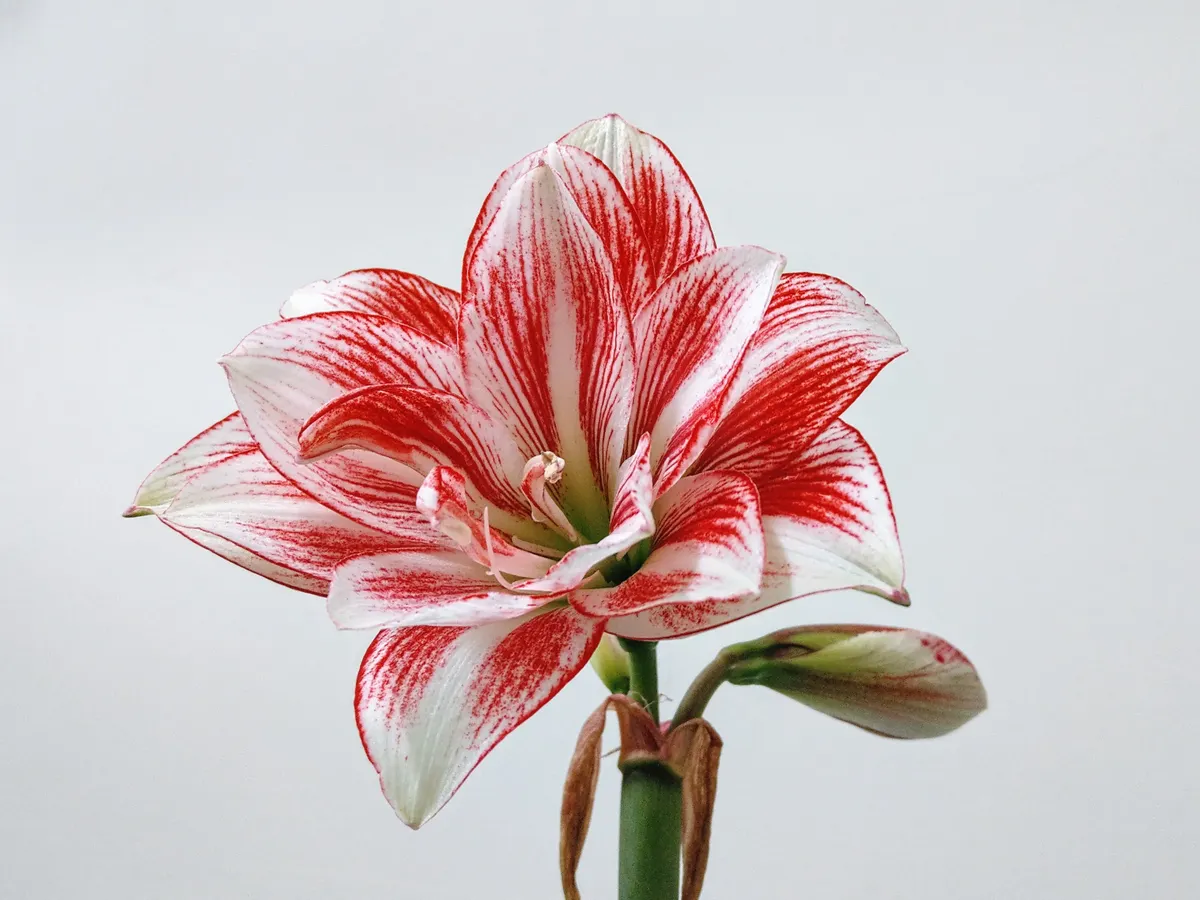
The big, showy bulbs you see in December are garden hybrids of those wild species. You’ll find red, white, pink, salmon, striped and double-flowered varieties.
Amaryllis or Amaryllis?
There’s a name mix-up here. NC State notes that a different genus, the true Amaryllis, comes from South Africa. But at the garden center, “amaryllis” almost always means Hippeastrum. The care in this guide is for that plant.
Each stalk usually carries 2 to 4 large flowers, and a well-fed bulb can send up more than one stalk. That’s why bulb size matters so much, as you’ll see below.
What does an amaryllis need?
Amaryllis is a forgiving plant. It wants sun, fast-draining soil and very little water at the start. Here’s the summary:
| Need | How much | Practical tip |
|---|---|---|
| Light | 4 to 6 hours of direct sun a day | A sunny south or west window; turn the pot so the stalk grows straight |
| Temperature | 70–75 °F while growing; about 65 °F in bloom | A cooler room makes the flowers last longer |
| Water | Very little until it sprouts; then when the top 2 inches are dry | Water until it drains and empty the saucer |
| Pot | 1 to 2 inches wider than the bulb, with drainage holes | A heavy clay pot keeps the plant from tipping over |
| Fertilizer | None until leaves appear; then every 2 to 4 weeks | Use a diluted liquid fertilizer once leaves are growing |
Light
Clemson University’s Home & Garden Information Center recommends a spot with at least 4 hours of direct sunlight daily. The University of Illinois suggests up to 6 hours. A south-facing window is usually the best spot in winter.
In low light, the stalk grows long and thin, leaning toward the window until it flops. Give the pot a quarter turn every two or three days so the stalk grows straight.
Temperature
Clemson suggests 70 to 75 °F while the plant is growing and around 65 °F once it’s in bloom. Slightly cooler temperatures make the flowers last longer.
Keep the pot away from heat vents, radiators and fireplaces, which dry the plant and shorten bloom time. Illinois adds a useful tip: once the buds show color, move the plant out of direct sun so the flowers last longer.
How to choose an amaryllis bulb
The flower is already packed inside the bulb, so choosing well makes a big difference. The University of Illinois explains that bulbs range from 2 to 5 inches across, and larger bulbs produce more stalks and more flowers.
- Firm to the touch: the bulb should feel hard, like a good onion. Soft or shriveled means rot.
- No dark, mushy spots or mold: small dry marks on the papery skin are normal; soft dark patches aren’t.
- Healthy roots: if roots are attached, they should be pale and firm, not black.
- Size: the bigger the bulb, the bigger the show. Small bulbs may send up only one stalk.
- A green tip: if a stalk or leaves are already peeking out, great. The bulb is waking up.
What about waxed amaryllis bulbs?
Waxed bulbs, dipped in colored wax, bloom without soil or water. Clemson explains that they need no watering and produce up to two flower stalks, but they’re usually thrown away afterward.
Illinois shares a way to save one: after it blooms, carefully peel off the wax, remove the wire base and plant it like a regular bulb. It will be weak and may need more than a year to bloom again, but it has a chance.
How to plant an amaryllis bulb in a pot
Planting takes a few minutes. The key points are not burying the whole bulb and not soaking the soil at the start.
- Pick the pot. Clemson recommends a pot 1 to 2 inches larger than the bulb’s diameter, with drainage holes. Amaryllis likes a snug fit.
- Use the right mix. Choose a light, well-draining potting mix. Adding a little perlite or fine bark helps water drain.
- Set the height. Place the bulb so that one-third to one-half of it sits above the soil. The bulb’s “neck” should never be buried.
- Firm the soil around the bulb so it doesn’t wobble.
- Water once, until water runs out of the holes.
- Wait. Clemson advises waiting about a week, or until growth appears, before watering again. After that, keep the soil lightly moist.
- Move it to the sun and turn the pot now and then.
If the roots look dry, you can soak just the root base in lukewarm water for a few hours before planting. Only the roots: the bulb itself shouldn’t sit in water.
Clemson suggests planting in early to mid-November for flowers around the holidays. If you plant now, you still have a good chance of blooms by Christmas or New Year’s.
How often should you water an amaryllis?
Watering is where most amaryllis go wrong. The bulb stores water and food, so at first it needs almost nothing. Too much water before roots grow is the fastest way to rot a bulb.
- Before it sprouts: one watering at planting and very little after, until you see green.
- After it sprouts: Illinois recommends watering when the top 2 inches of soil are dry.
- Keep the bulb dry: water the soil around the edge of the pot, not on top of the neck.
- Empty the saucer: never let the pot sit in water.
- Dry indoor air: with the heat on and the plant in bloom, the soil dries faster. Check it every two or three days.
If the bulb turns soft and smells bad, overwatering is the problem. The signs and the rescue are the same as for soggy herbs: see overwatered herbs.
When to fertilize an amaryllis
Clemson is clear: don’t fertilize the bulb until leaves appear. Without leaves, the plant can’t use the fertilizer, and the leftover salts can burn new roots.
Once leaves are growing, Clemson suggests a liquid fertilizer twice a month, while Illinois suggests once a month. Both work: the key is a diluted dose given regularly, especially after flowering.
A balanced houseplant fertilizer is fine. If you already feed your herbs with kitchen scraps, a light dose works here too. See which options actually help in homemade fertilizer for herbs.
Why is my amaryllis falling over?
Amaryllis stalks can grow 20 inches or taller and carry heavy flowers, so leaning and flopping are common. The usual causes are low light, a light pot and a warm room.
- Add a stake: Clemson recommends support for the stalk. A bamboo stick pushed in next to the bulb works, carefully, so you don’t stab the roots.
- Tie it loosely: use soft twine or ribbon, never tight.
- Turn the pot: so the stalk doesn’t lean to one side.
- Use a heavy pot: clay or ceramic is more stable than plastic.
Common amaryllis problems
Amaryllis is tough, but a few problems show up often. Use this table to find the cause:
| Sign | Likely cause | What to do |
|---|---|---|
| Soft, smelly bulb | Rot from overwatering | Cut away rotten parts, let it dry and replant in fresh mix; if it’s all soft, toss it |
| Red spots or streaks on leaves, stalk or bulb | Red blotch (a fungus) | Remove affected parts, keep the bulb dry and improve airflow |
| Light, mottled patches on leaves | Mosaic virus | No cure; keep it away from other plants |
| Leaves but no flowers | Weak bulb or too little light after the last bloom | Give sun, fertilizer and time so the leaves can recharge the bulb |
| Long, thin stalk | Low light or too much heat | Move it to a sunnier, cooler spot |
| White fluff, fine webbing or tiny specks on leaves | Mealybugs, spider mites or thrips | Wipe the leaves and check the pest guide |
Clemson lists red blotch, mosaic virus and bulb rot among the diseases, and mealybugs, spider mites, thrips and bulb flies among the pests.
To identify insects and treat them without harsh chemicals, see common plant pests, which works for flowering plants too. If tiny black flies hover over the soil, it’s staying too wet: see fungus gnats. And if leaves turn yellow, the guide to yellow leaves helps you find the cause.
Is amaryllis poisonous?
Yes. NC State explains that the plant contains a compound called lycorine and that it’s dangerous to dogs, cats and horses. Clemson adds that all parts are toxic, with the bulb being the most toxic.
- Kids and pets: keep the pot out of reach, especially from cats and dogs that like to chew plants.
- Stored bulbs: during dormancy, keep bulbs somewhere closed, away from anyone who might mistake them for onions.
- If someone eats it: call your doctor, poison control or your vet right away, even without symptoms.
What to do after your amaryllis blooms
This is when many people throw the plant away. You don’t have to. After flowering comes the most important phase: this is when the bulb stores energy for next year’s flowers.
- Remove faded flowers. That keeps the plant from wasting energy on seeds.
- Cut the stalk once it yellows, close to the top of the bulb, as Clemson recommends. Don’t cut the leaves.
- Keep the leaves green and in the sun for several months. Illinois puts it simply: the leaves are the bulb’s food factories.
- Keep watering when the top of the soil is dry, and fertilize every 2 to 4 weeks.
- Summer outdoors: once nights stay warm, you can move the pot outside, in morning sun with some afternoon shade. Bring it back in before the first frost.
Can amaryllis grow outside?
In mild climates, yes. Clemson recommends spacing garden bulbs about 12 inches apart, in sun with some afternoon shade. The University of Florida notes that in the garden, amaryllis blooms in spring.
Choose well-drained soil, because bulbs rot in soggy ground. In areas with hard frosts, keep it in a pot and treat it as a houseplant in winter.
How to get an amaryllis to bloom again
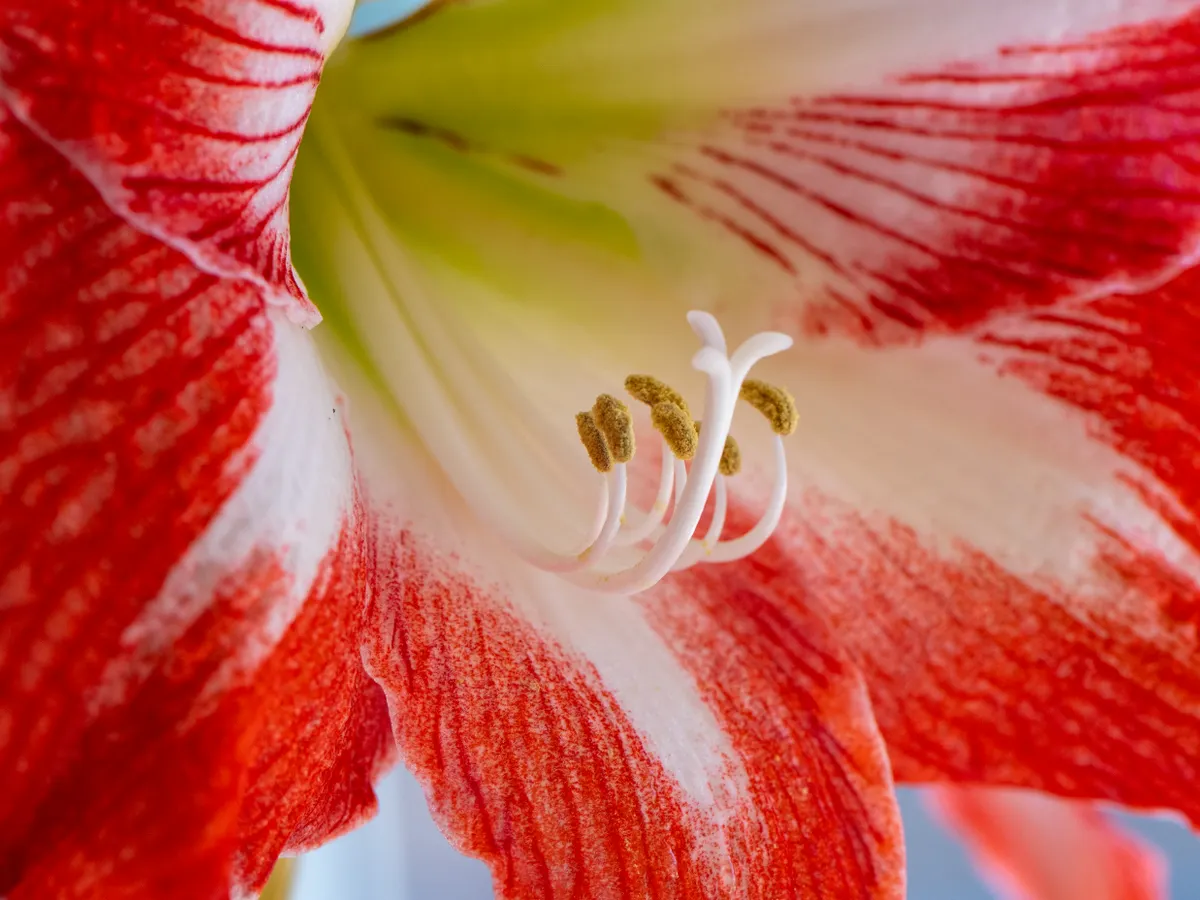
An amaryllis can bloom for many years from the same bulb. There’s no secret trick: it’s about letting the leaves work hard after flowering. A well-fed bulb blooms; a tired bulb only makes leaves.
Option 1: with a rest period (to time the bloom)
Clemson describes a dormancy period: in late summer or early fall, stop watering and let the leaves die back. Then let the bulb rest for 8 to 10 weeks in a cool, dark place without water.
- Cut back water gradually until you stop completely.
- Trim the dry leaves once they yellow, leaving about 2 inches above the bulb.
- Store the pot or bulb somewhere cool, dry and dark, like a basement or a closet. Illinois suggests 45 to 55 °F for 8 to 12 weeks.
- After the rest, refresh the top layer of soil, bring it to the sun and water once.
- Wait for growth and go back to normal care. Flowers usually follow 4 to 8 weeks later.
Counting backward, for holiday flowers you’d start the rest in late August or early September and bring the bulb back out in late October or early November.
Option 2: no rest period (the simpler path)
The University of Illinois explains that a dormancy period isn’t required. If you keep the leaves, sun and fertilizer going all year, the plant can rebloom on its own schedule.
The trade-off is timing: the flowers may show up at a different time of year instead of exactly at Christmas. For many people, that’s a bonus, not a problem.
When to repot
Amaryllis likes a snug pot and doesn’t need repotting every year. Every 2 or 3 years, or when roots come out of the drainage holes, move it to a pot just slightly larger, with fresh mix, always leaving part of the bulb exposed.
Decorating with amaryllis
A red or white amaryllis is a complete decoration on its own. It pairs well with other holiday plants, like poinsettias and the Christmas cactus, and with fragrant herbs like a rosemary plant.
A pretty touch is to cover the soil with dried moss or pinecones, leaving the bulb visible. And a potted amaryllis bulb makes a great gift: see more ideas in gifts for gardeners.
Common amaryllis mistakes
- Burying the whole bulb: the neck stays wet and rots.
- Watering a lot before it sprouts: without active roots, water sits and the bulb rots.
- Using a pot that’s too big: the soil stays wet and blooming is delayed.
- Fertilizing before leaves appear: it doesn’t help and can burn new roots.
- Cutting the leaves after flowering: without leaves, the bulb can’t recharge and won’t bloom again.
- Keeping it in hot sun while in bloom: the flowers fade much faster.
- Forgetting it’s toxic: keep it away from kids and pets.
- Choose a large, firm bulb: bigger means more flowers.
- Use a pot with drainage holes, 1 to 2 inches wider than the bulb.
- Leave one-third to one-half of the bulb above the soil.
- Water at planting, then wait for growth before watering again.
- Give it 4 to 6 hours of direct sun and turn the pot.
- Fertilize only after leaves appear.
- After blooming, cut the stalk and keep the leaves in the sun.
- To rebloom, recharge the bulb and, to time the flowers, give it 8 to 10 weeks of rest.
- Amaryllis is toxic to people, dogs and cats.
With a good bulb, sun and careful watering, your amaryllis can bloom for many years, and each season’s show is often bigger than the last.
Amaryllis care FAQ
Does amaryllis need full sun?
It needs bright light: 4 to 6 hours of direct sun a day while growing. Once the flowers open, a bright but cooler spot makes them last longer.
How often should I water my amaryllis?
Water once at planting and wait until it sprouts. After that, water when the top 2 inches of soil are dry, and never leave water in the saucer.
How long does it take an amaryllis to bloom?
Usually 4 to 8 weeks after planting. Large, healthy bulbs tend to bloom faster and send up more than one stalk.
How long do amaryllis flowers last?
The flowers on one stalk usually last a few weeks. In a cool room, out of direct sun, they last longer.
What do I do with my amaryllis after it blooms?
Cut the stalk close to the bulb, but keep the leaves. Keep giving it sun, water and fertilizer so the bulb can recharge and bloom again.
Why is my amaryllis only growing leaves?
The bulb is usually too weak, often from too little sun or fertilizer after its last bloom. Keep the leaves in the sun for several months and feed regularly.
Is amaryllis toxic to cats and dogs?
Yes. It contains lycorine and is dangerous to dogs, cats and horses. The bulb is the most toxic part. Keep it out of reach.
Do I have to take the bulb out of the soil to rest it?
No. You can leave the bulb in its pot, without water, in a cool, dark place. You can also skip the rest entirely and keep the leaves growing all year.