Homemade Fertilizer for Herbs: What Works and What Is a Myth
Looking for a homemade fertilizer for herbs that actually works? You can feed basil, parsley, chives and mint with what comes out of your own kitchen, for almost nothing. But not every recipe online delivers. In this guide, you’ll see which homemade fertilizers are worth it, which are myths, how much to use per pot and how often.
Let’s go step by step: first, why potted herbs need feeding. Then the homemade fertilizers that work, the ones that disappoint, the right amounts and the signs of too little and too much.
Do potted herbs really need fertilizer?
Yes, but not much. In the ground, roots can reach far for nutrients. In a pot, the plant has only that handful of soil. Every time you water, some nutrients wash out through the drainage holes. After a few months, the potting mix is depleted, even if it still looks fine.
The signs show up slowly: smaller leaves, a paler green, slow growth and weak regrowth after harvest. Since you’re always picking leaves, the plant has to replace what it loses.
On the other hand, herbs aren’t tomatoes. They don’t need strong feeding. Penn State Extension recommends that you fertilize herbs with a low dose every two weeks, and warns that feeding more often may negatively affect aroma and taste.
What should a good fertilizer contain?
Every fertilizer, homemade or store-bought, mainly delivers three nutrients. Knowing what each one does helps you choose:
| Nutrient | What it does | Importance for herbs |
|---|---|---|
| Nitrogen (N) | Green leaves and growth | High: it’s what you harvest |
| Phosphorus (P) | Roots and flowers | Medium |
| Potassium (K) | Resilience and overall health | Medium |
| Calcium, magnesium and others | Plant structure and function | Small amounts |
For leafy herbs, the ideal fertilizer is balanced, with a little extra nitrogen, and slow-release. That’s exactly the profile of worm castings and compost. That’s why they top the list.
Which homemade fertilizers work for herbs?
1. Worm castings
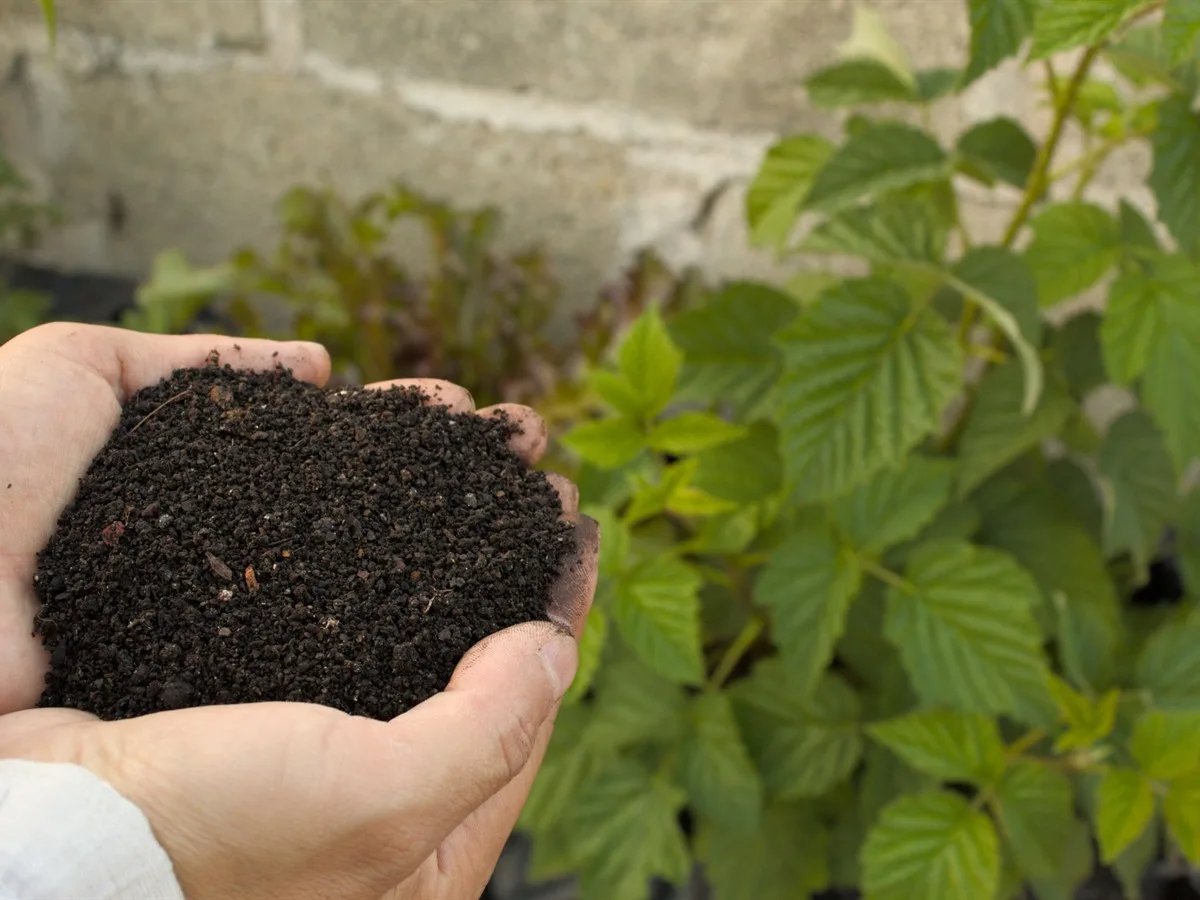
Worm castings are the safest fertilizer for pots. They’re dark, crumbly and odorless, and they release nutrients slowly without burning roots. You can make them at home with a worm bin or buy them bagged.
- How to use: loosen the soil surface lightly, sprinkle the castings and water.
- How much: one tablespoon for small pots, up to about half a gallon. Two or three tablespoons for medium pots. One or two handfuls for large pots.
- How often: once a month in spring and summer.
Want to make your own? See how to care for red wiggler worms and our guide to apartment composting.
2. Finished compost
Finished compost is what’s left when peels, stems and dry leaves fully break down. When it’s mature, it looks like dark soil, smells like a forest floor and you can no longer recognize the scraps. Use it the same way and in the same amounts as worm castings.
The catch is this: the compost has to be finished. Material that’s still decomposing heats up, steals nitrogen from the plant and attracts gnats. See the full method in how to use compost in pots.
3. Diluted worm bin leachate
The dark liquid that drains from a worm bin is a fast-acting liquid fertilizer. Never use it straight, because it’s too concentrated.
- Dilution: 1 part leachate to 10 parts water.
- How to use: water the soil with the mix, in place of a regular watering.
- How often: every two weeks during the growing season.
Only use leachate from a healthy bin, with no rotten smell. Learn more in compost leachate: what it is and how to use it.
4. Worm casting tea
No worm bin with a spigot? You can make a liquid fertilizer from castings and water. It’s a simple steeped tea, with no special equipment:
- Mix about 1 cup of worm castings into 1 quart of water. If you use tap water, let it sit out overnight first.
- Stir once a day for two or three days.
- Let it settle and strain through a cloth or fine sieve.
- Water the soil in your pots with the liquid, every two weeks.
- Reuse the solids left in the cloth: they still work as a mild top-dressing in another pot.
Make only what you’ll use that week. Tea stored for a long time ferments and smells bad.
5. Bokashi bran
Bokashi bran is a fermented bran, rich in microbes, that boosts soil life. It’s stronger than worm castings. Start small: a level teaspoon in small pots, once a month, mixed lightly into the surface, away from the stem. If the package gives a different rate, follow the package.
The fermented food scraps from a bokashi bucket are a different story. They’re very acidic and need to be buried and cured before they get near roots. See the details in bokashi composting in an apartment.
6. Coffee grounds, the right way
Coffee grounds have value, but they’re not the miracle fertilizer people claim. University of Minnesota Extension explains that coffee grounds contain carbon, nitrogen and other compounds that feed soil organisms, and make an excellent addition to compost.
So the best place for coffee grounds is the compost bin. If you want to use them directly in a pot, go light: a teaspoon of dried grounds, mixed into the soil surface, once a month at most. Never pile on a thick layer.
Which homemade fertilizers don’t work as well as people say?
Some recipes have been passed around for years and sound logical, but the science shows weak results. They don’t hurt in small amounts. The problem is relying on them as your only fertilizer.
A thick layer of coffee grounds
Many people dump the coffee filter straight into the pot every day. Over time, the grounds form a crust. University of Illinois Extension warns that adding too thick of a coffee ground layer can decrease water infiltration. Damp, piled-up grounds also grow white mold on the soil.
Another myth is that coffee grounds make soil acidic. According to the University of Minnesota, coffee grounds have not been shown to consistently lower soil pH.
Crushed eggshells
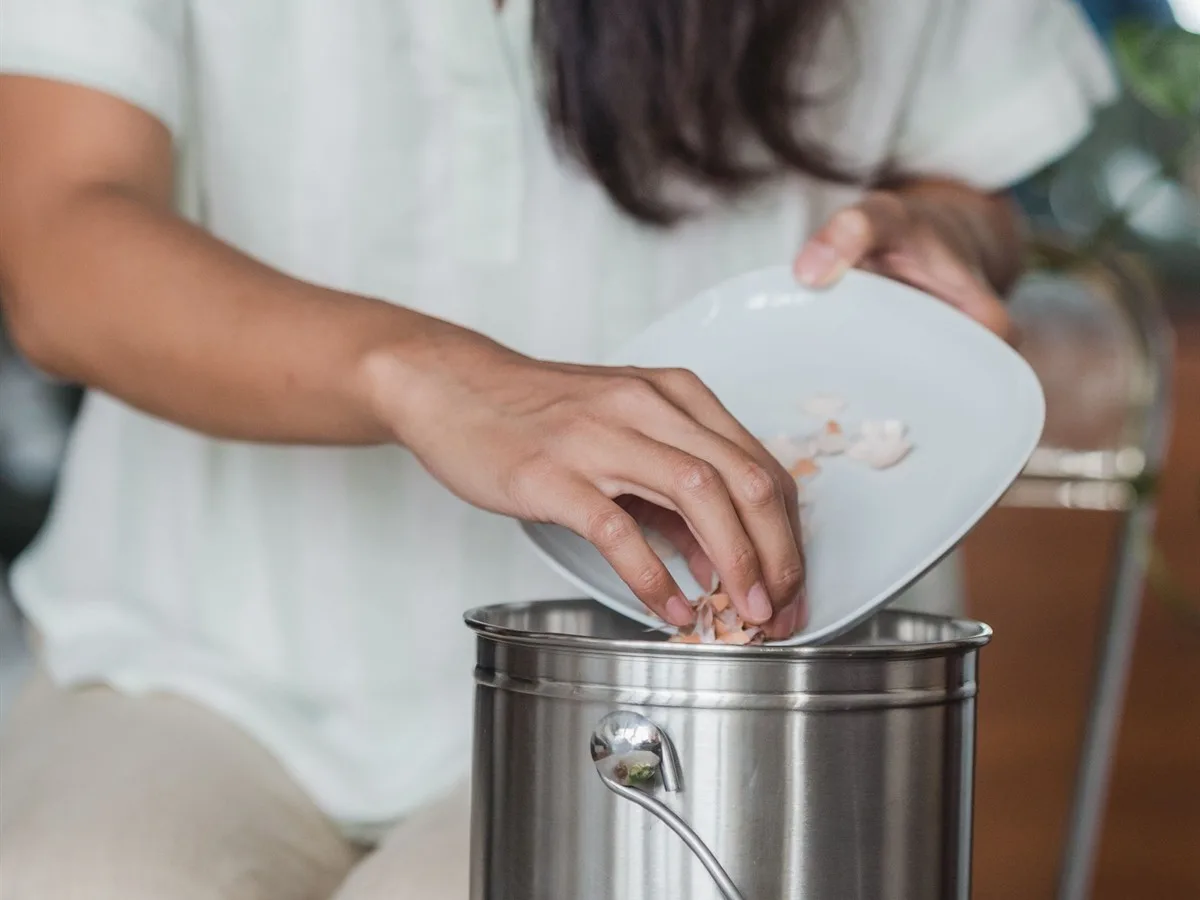
Eggshells are rich in calcium, but that calcium stays locked up for a long time. University of Illinois Extension reports that eggshells can take anywhere from one to five years to break down, and crushed shells still take a few years.
The University of Minnesota reaches the same verdict: eggshells won’t harm your soil or plants, but you may as well put them in the compost. If you want to use them in a pot, dry the shells and grind them to a very fine powder. The smaller the pieces, the faster they break down.
Buried banana peels and banana water
Banana peels contain potassium, but a piece buried in a pot takes a long time to decompose. Meanwhile, it rots, smells and attracts insects. Banana peel water, left to soak, also ferments fast and delivers very little. The best place for the peel is the compost bin.
Epsom salt
Epsom salt (magnesium sulfate) is sold as a cure-all. The University of Minnesota is blunt: unless you have a magnesium deficiency, there is no need to add Epsom salts, and doing so could even be harmful to soil, plants and water. Too much magnesium can also block calcium uptake. Potted herbs don’t need it.
Raw food scraps in the pot
Fresh peels, stems and leftovers aren’t fertilizer yet. In a pot, they rot, smell and become a nursery for fungus gnats. They need to be composted first. See the list of what can and can’t go in compost.
Chart: which homemade fertilizer to use, how much and when
| Homemade fertilizer | Does it work? | Amount for a small pot (up to half a gallon) | How often |
|---|---|---|---|
| Worm castings | Yes, the safest | 1 tablespoon | Once a month |
| Finished compost | Yes | 1 tablespoon | Once a month |
| Diluted leachate (1 to 10) | Yes, fast-acting | In place of one watering | Every two weeks |
| Worm casting tea | Yes | In place of one watering | Every two weeks |
| Bokashi bran | Yes, stronger | 1 level teaspoon | Once a month |
| Dried coffee grounds | A little | 1 teaspoon, mixed in | Once a month at most |
| Eggshell powder | Very slow | 1 pinch | Better in the compost |
| Banana peels | Not directly in the pot | None | Compost only |
Pick one solid fertilizer and, if you like, one liquid. Don’t stack them all at once. If you use castings every month and leachate every two weeks, the plant is already well fed.
How much fertilizer does each herb need?
Not every herb eats the same. Soft, leafy herbs grow fast and want more. Mediterranean herbs come from poor soils and prefer less.
| Group | Herbs | Feeding |
|---|---|---|
| Soft leaves, fast growth | Basil, parsley, chives, green onions, cilantro, mint | Castings every month and liquid feed every two weeks in warm weather |
| Hungry clumps | Lemongrass | Castings every two or three weeks in warm weather |
| Woody Mediterranean herbs | Rosemary, thyme, oregano, sage | Castings once a month, or every other month; no liquid feed |
For the details on each plant, see our guides to basil in a pot, green onions in a pot, lemongrass in a pot and sage in a pot.
How to apply homemade fertilizer to a pot, step by step
- Water the day before. Fertilizer on bone-dry soil can stress the roots.
- Loosen the surface with a fork, about half an inch deep, without damaging roots.
- Sprinkle the solid fertilizer around the plant, without touching the stem.
- Mix it lightly into the top layer of soil.
- Water slowly so the nutrients start moving down.
- Write down the date. It’s easy to forget and feed twice in the same month.
With liquid fertilizer, it’s even simpler: use the mix in place of a regular watering, always on the soil and never on the leaves in strong sun.
When is the best time to fertilize herbs?
Feed when the plant is growing: in spring and summer. That’s when it has the light and warmth to turn nutrients into new leaves.
In fall, cut back. In winter, stop or feed just once, very lightly. With short days and cool temperatures, herbs barely grow, and unused fertilizer builds up in the soil. Herbs under grow lights that keep growing can still get a light monthly feeding. Read more in how to grow herbs in winter.
Other times to wait: right after repotting (give it two or three weeks), when the plant is sick or has root rot, and with very young seedlings. Fertilizer isn’t medicine. A plant weakened by overwatering or lack of sun won’t recover with more food.
How do you know if herbs have too little or too much fertilizer?
| Sign | Likely cause | What to do |
|---|---|---|
| Pale yellow older leaves, slow growth | Nitrogen deficiency | Apply castings and, two weeks later, a liquid feed |
| Small new leaves, weak regrowth | Depleted potting mix | Feed and consider replacing part of the soil |
| Burned leaf tips and edges | Too much fertilizer | Flush the pot with plenty of water and stop feeding for a month |
| White crust on the surface or pot rim | Salt buildup | Scrape off the top layer and flush the soil with water |
| Big, floppy leaves with weak scent | Too much nitrogen | Cut the dose and feed less often |
| Gnats and mold on the soil | Raw or soggy organic matter | Remove the scraps, let it dry and use only finished compost |
A yellow leaf doesn’t always mean hunger. Watering mistakes, low light and a cramped pot cause the same sign. Before you feed, check the other causes in why herb leaves turn yellow and why herb leaves turn brown.
Common mistakes with homemade fertilizer for herbs
- Thinking more is better: excess burns roots and dulls the flavor.
- Using leachate straight: always dilute it in 10 parts water.
- Burying raw scraps: they rot and attract insects.
- Dumping coffee grounds daily: they crust over and mold.
- Feeding in winter like it’s summer: the plant can’t use it.
- Feeding a sick plant: fix the cause first, then feed.
- Using fresh manure: it’s too strong for pots and can carry unwanted microbes onto leaves you eat raw.
- Storing liquid fertilizer for weeks: it ferments. Make it and use it.
- Potted herbs need fertilizer, but in small doses.
- Worm castings and finished compost are the safest homemade fertilizers.
- Base rate: one tablespoon per small pot, once a month.
- Diluted leachate and casting tea work as a boost every two weeks.
- Coffee grounds, eggshells and banana peels do more good in the compost bin.
- Basil, parsley and chives want more food; rosemary, thyme and sage want less.
- Feed in spring and summer; stop in winter.
- Too much fertilizer means less aroma and flavor.
With a little compost and a steady routine, your herbs bounce back faster after every harvest. To set up the whole garden, see our guide to the kitchen herb garden.
Frequently asked questions about homemade fertilizer for herbs
What is the best homemade fertilizer for herbs?
Worm castings or finished compost. They’re balanced, release nutrients slowly and won’t burn roots.
How often should I fertilize potted herbs?
With a solid fertilizer, once a month in spring and summer. With a diluted liquid, every two weeks. In winter, stop.
Are coffee grounds good for herbs?
In small amounts: a teaspoon of dried grounds mixed into the soil, once a month at most. They’re more useful in the compost bin.
Do eggshells work as fertilizer?
Very slowly. Eggshells take years to break down. Ground to a fine powder they act faster, but they’re better in the compost.
Are banana peels good for herbs?
Not straight in the pot. They rot and attract insects before releasing nutrients. Compost them and use the finished compost.
How do I make homemade liquid fertilizer?
Mix 1 cup of worm castings into 1 quart of water, stir once a day for two or three days, strain and water the soil. Or dilute worm bin leachate in 10 parts water.
Can too much fertilizer hurt herbs?
Yes. Excess burns leaf tips, builds up salts in the soil and leaves herbs with less aroma and flavor.
Should I fertilize newly planted herbs?
No. Fresh potting mix has enough nutrients for the first weeks. Wait two or three weeks and start with a small dose.