How to Grow Mint in a Pot (and Keep It From Taking Over)
Mint is one of the most generous herbs you can grow. It grows fast, bounces back after every harvest and brightens up iced tea, lemonade, salads, mojitos and desserts. In a pot, it’s even better: the container keeps its roots in check, which in the ground tend to spread and take over everything.
To grow mint in a pot, give it a container of its own, wide and with drainage holes, filled with light potting mix that holds a bit of moisture. Start from a cutting rooted in water or from a nursery plant. Place it somewhere bright, with morning sun or strong indirect light, keep the soil lightly moist and always harvest from the tips so the plant stays full and bushy.
In this guide, you’ll learn what mint needs, how to plant it from a cutting or a nursery plant, how to water and harvest it, and how to fix the most common problems.
Why should mint have its own pot?
Mint spreads through runners that travel just below the soil surface. They take over the whole container and crowd out any neighbors. That’s why mint grows best alone, in its own pot, rather than mixed with other herbs in the same planter.
That vigor is also a perk: given room, mint fills out quickly and you’ll never run out of leaves to pick.
What does mint need to grow well?
Mint needs good light, moist soil and room for its roots. It’s more forgiving than basil: it handles partial shade and bright spots without all-day sun, but it doesn’t like drying out for long.
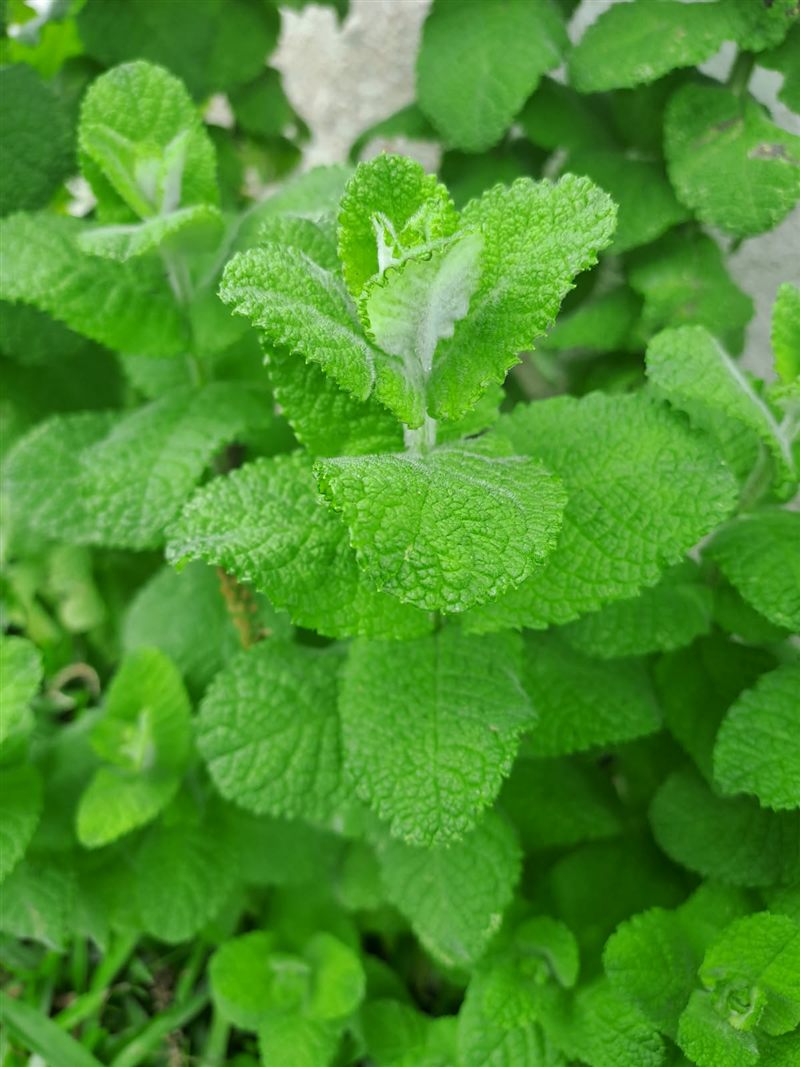
- Light: morning sun or a very bright spot. Hot afternoon sun can scorch the leaves in summer.
- Water: prefers evenly moist soil. It’s one of the herbs that suffer most when you forget to water.
- Pot: wider rather than deeper, since the roots grow sideways. Always with drainage holes.
- Soil: light, fluffy potting mix with a little compost, which helps hold moisture. See how to use compost in pots.
How to grow mint from a cutting
The easiest way to start is to root a cutting in water. Mint roots very easily, and a single bunch from the grocery store or farmers market can turn into several pots.
- Pick firm, green stems with no flowers.
- Cut just below a node, the point where leaves grow from the stem.
- Remove the lower leaves, keeping only the ones at the top.
- Place in a glass of water with the lower nodes submerged, in a bright spot out of harsh direct sun.
- Change the water every few days.
- Plant in soil once the roots are an inch or two long, putting several cuttings in the same pot so it fills out faster.
How to plant mint from a nursery plant
If you buy a small plant or a friend shares a piece of their mint, it’s even quicker.
- Add potting mix to the bottom of the pot.
- Gently slide the plant out of its container without breaking up the root ball.
- Set it in the center at the same depth it was growing and fill in around it with soil.
- Press lightly and water well.
- Keep it in bright, indirect light for a few days before moving it to its permanent spot.
Mint can be grown from seed, but it’s slower and the plants are less uniform. For beginners, cuttings and nursery plants are far more practical.
How often should you water mint in a pot?
Water when the top of the soil starts to dry, soaking it until water drains from the bottom. Mint likes steady moisture but not standing water, so empty the saucer afterward.
On hot days, the pot may need water daily, especially if it’s small or made of terracotta. If the leaves droop in the late afternoon and perk up after watering, the plant is asking for more water or a bigger pot.
How to harvest mint so it stays full
Cut stems from the tips, just above a pair of leaves. New shoots grow from that point, so the plant gets shorter and bushier. Harvesting often is what keeps mint looking its best.
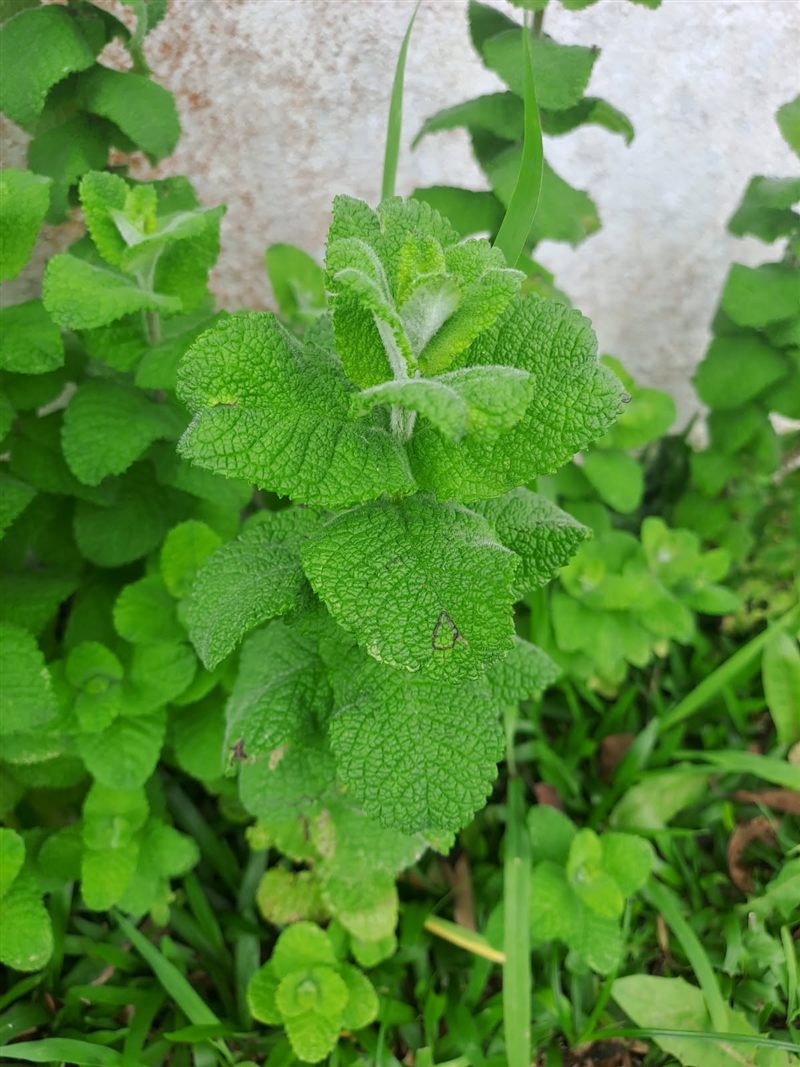
- Snip whole stem tips instead of pulling off single leaves.
- Remove flowers when they appear so the plant keeps producing leaves.
- Cut it back hard when the stems get long and sparse. Mint regrows vigorously.
Common problems with mint in pots
| Sign | Most likely cause | What to do |
|---|---|---|
| Wilting leaves | Underwatering or pot too small | Water deeply and, if it dries out fast every time, move to a bigger pot |
| Long, leggy stems with few leaves | Not enough light or not enough pruning | Move somewhere brighter and pinch back the tips |
| Yellow leaves | Soggy soil or lack of nutrients | Check drainage and add compost on top |
| Scorched leaf edges | Hot afternoon sun | Move to a spot with morning sun |
| Empty center, stems only around the edges | Rootbound plant and depleted soil | Divide the clump and replant in fresh potting mix |
How to refresh mint when it outgrows its pot
Over time, mint fills the whole container and the center starts to die out. That’s the sign its roots have run out of room. To refresh it, slide the clump out, divide it into pieces with roots and replant one in fresh potting mix. The other pieces can go into new pots or make a nice gift.
How to get started with mint in a pot
- Get a wide pot just for the mint, with drainage holes.
- Use light potting mix with a little compost.
- Root cuttings in water or plant a nursery plant.
- Place it somewhere bright, ideally with morning sun.
- Keep the soil lightly moist and empty the saucer.
- Harvest from the tips, often.
Mint gets along fine with other herbs on the same counter, as long as each one has its own pot. To build a complete herb garden, check out our complete kitchen herb garden guide. You might also like how to grow parsley in a pot and how to grow basil in a pot.
Mint in pots: frequently asked questions
Does mint like sun or shade?
Mint likes light but tolerates partial shade. Morning sun or a very bright spot is ideal. In deep shade, it grows thin and sparse. Strong afternoon sun in summer can scorch the leaf edges.
Can I plant mint with other herbs?
It’s not a good idea. Mint’s roots spread quickly and crowd out its neighbors. Give mint its own pot and keep other herbs in separate pots side by side.
Can I grow mint from grocery-store mint?
Yes, and it’s one of the easiest ways. Choose firm stems, strip the lower leaves and stand them in a glass of water. Once roots appear, plant them in soil.
Why are my mint leaves so small?
It’s usually a sign of a rootbound pot, depleted soil or not enough light. Try dividing the clump, replanting in fresh soil and moving the pot somewhere brighter.
Should I cut the flowers off my mint?
If you want leaves, yes. When mint flowers, it puts energy into blooms and the leaves lose some of their aroma. Removing flowers keeps the plant producing leaves for longer.
Is spearmint or peppermint better for pots?
Both grow well in containers and need the same care. Spearmint has a milder, sweeter flavor that’s popular in cooking and drinks, while peppermint is stronger and often used for tea. Pick the one you use most, or grow both in separate pots.